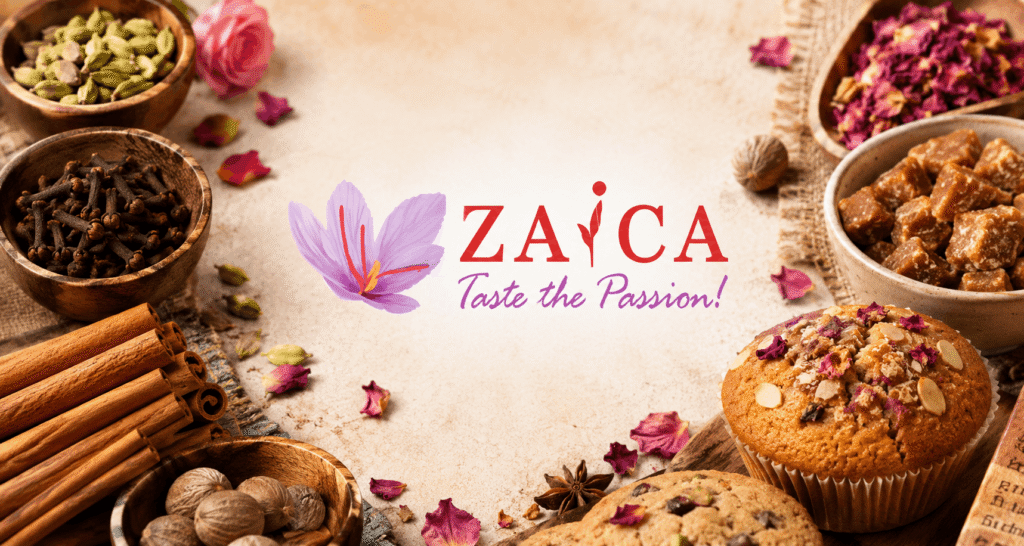

When most people think about baking, they immediately picture flour, sugar, butter, eggs, chocolate, and vanilla. Yet some of the most memorable baked goods owe their character to a completely different group of ingredients: spices.
A carefully chosen spice can turn a familiar cake into something distinctive, give cookies a warm and inviting aroma, or add layers of complexity to bread and pastries. From the gentle sweetness of cinnamon to the floral character of cardamom and the earthy warmth of nutmeg, baking spices have the ability to transform simple recipes into extraordinary creations.
Today, bakers are also becoming more interested in where their ingredients come from, how they are cultivated, and how freshness affects flavor. This has created a growing appreciation for carefully sourced whole spices and traditional ingredients.
Why Spices Matter in Baking
Spices do more than simply make baked goods taste “spicy.” They contribute aroma, warmth, sweetness, earthiness, floral notes, and sometimes even subtle savory characteristics.
Consider a basic butter cake. Without changing the fundamental recipe, adding a small amount of cinnamon can introduce warmth and depth. Cardamom can provide a fragrant, slightly citrus-like character, while nutmeg can add a subtle earthy sweetness.
This is why experienced bakers often think of spices as part of the architecture of a recipe rather than an optional finishing touch.
The right spice can:
- Enhance the natural sweetness of desserts
- Add depth to cakes and cookies
- Create distinctive aromas
- Balance rich or buttery ingredients
- Give traditional recipes a new character
- Help simple recipes feel more sophisticated
The key is understanding which spices work best with particular ingredients.
Cinnamon: A Classic Baking Essential
Few spices are as closely associated with baking as cinnamon.
It works beautifully in cakes, muffins, cookies, sweet breads, pies, rolls, and many seasonal desserts. Its naturally warm and sweet aroma makes it especially useful when a recipe needs additional depth without introducing a completely different flavor profile.
Not all cinnamon tastes exactly the same, however. Varieties can differ considerably in aroma, intensity, sweetness, and overall character.
For bakers who want to explore more delicate cinnamon flavors, Alba Cinnamon, also known as Alba Ceylon Cinnamon, is an interesting ingredient. Zaica Life’s Alba Cinnamon is sourced from the Idukki region of Kerala in the Western Ghats and is described as a delicate form of cinnamon cultivated and processed using traditional methods.
Whole cinnamon and freshly ground cinnamon can also behave differently in the kitchen. Grinding a spice shortly before use can help preserve its aromatic character, which is one reason a spice mill can be a useful addition to a baker’s kitchen.
Cardamom Brings Floral Complexity
Cardamom is another spice that deserves a place beyond traditional savory cooking.
Its fragrant character makes it particularly interesting for sweet recipes. It pairs naturally with dairy, sugar, nuts, citrus, chocolate, coffee, and many fruit-based desserts.
Green cardamom is especially versatile. It can be used in cookies, cakes, sweet breads, puddings, pastries, and enriched doughs. A small quantity can make a noticeable difference, so beginners should start conservatively and adjust according to the recipe.
Zaica Life’s Green Cardamom is sourced from the Western Ghats of South India, where the pods are hand-picked before they turn yellow. The spice is cultivated in the shade of rainforest trees, giving bakers an opportunity to explore a traditionally grown ingredient with a distinctive aromatic profile.
Black cardamom offers an entirely different experience. Its deeper, smoky character makes it less obvious for delicate desserts, but it can work beautifully in recipes where stronger flavors are welcome.
Experimenting with both types of cardamom can show just how dramatically different two spices from the same family can be.
Cloves: Powerful, Warm, and Aromatic
Cloves are one of those spices where a little can go a long way.
Their intense aroma can add warmth and complexity to cakes, cookies, fruit desserts, spice breads, and festive baked goods. Cloves also pair particularly well with cinnamon, nutmeg, and other warm spices.
Because cloves have such a strong personality, overusing them can easily overpower the other flavors in a recipe. The best approach is often to use them as part of a spice combination rather than allowing them to dominate.
Zaica Life’s cloves are sourced from Idukki, Kerala, and are described as tree-ripened and hand-picked at peak harvest. For bakers interested in exploring the differences that sourcing and handling can make, whole cloves can be an excellent pantry ingredient.
Nutmeg Adds Warmth Without Overpowering
Nutmeg is another classic baking spice that can easily be overlooked.
Freshly grated nutmeg can add a warm, slightly sweet and earthy character to cakes, custards, pastries, puddings, and many dairy-based desserts. It can also complement other spices without competing with them.
Whole nutmeg is particularly useful when freshness is a priority. Rather than keeping pre-ground nutmeg in the pantry for months, bakers can grate a small amount when needed.
This approach can create a noticeably more aromatic result, especially in recipes where nutmeg plays an important role.
Whole nutmeg is also remarkably versatile. Beyond baking, it can be used in soups, sauces, and savory dishes, making it a useful ingredient for cooks who enjoy working with whole spices.
Rose Petals: A More Creative Approach to Baking
Not every baking ingredient needs to be traditionally classified as a spice.
Dried rose petals can introduce a completely different dimension to desserts. Their floral aroma and delicate appearance make them particularly suitable for cookies, cakes, frostings, tea cakes, shortbread, and decorative applications.
Rose pairs especially well with cardamom, pistachio, almond, chocolate, and certain fruits. The combination of rose and cardamom, for example, can give an ordinary dessert a sophisticated South Asian and Middle Eastern-inspired character.
Zaica Life’s dried rose petals are sourced from a small family farm in the Himalayan valleys and are hand-picked at peak bloom before being sun-dried.
For bakers, ingredients like dried rose petals are an invitation to experiment beyond conventional vanilla-and-chocolate combinations.
Shakkar: Exploring Traditional Sweeteners
Spices are not the only ingredients capable of changing the personality of a baked recipe.
Traditional sweeteners can also contribute distinctive flavors. Shakkar, commonly known as jaggery, is one example.
Unlike refined white sugar, jaggery can contribute a deeper, more caramel-like flavor to recipes. It can be incorporated into cookies, cakes, muffins, energy bites, and traditional sweets, depending on the recipe.
Zaica Life describes its Shakkar as being made from organically cultivated sugarcane from Rajasthan, with the sugarcane hand-juiced and the juice slowly boiled using a traditional process.
When substituting jaggery for refined sugar, bakers should remember that the ingredients do not always behave identically. Jaggery can affect moisture, color, texture, and flavor, so recipes may require some adjustment.
That difference is part of the appeal: baking with traditional ingredients can create results that feel more rustic, complex, and distinctive.
How to Build Your Own Baking Spice Collection
You don’t need dozens of ingredients to begin experimenting with spices.
A small, thoughtfully selected collection can provide an enormous range of possibilities.
Start with versatile ingredients such as:
- Cinnamon – ideal for cakes, cookies, rolls, pies, and sweet breads.
- Green cardamom – excellent for fragrant cakes, cookies, pastries, and desserts.
- Nutmeg – useful in custards, cakes, puddings, and creamy desserts.
- Cloves – particularly suitable for strongly spiced and festive recipes.
- Black cardamom – useful when a recipe calls for a deeper, more distinctive flavor.
- Rose petals – perfect for floral and visually appealing desserts.
- Jaggery – an interesting alternative ingredient for recipes where deeper sweetness is desired.
Once you understand how each ingredient behaves, you can begin combining them.
For example, cinnamon and nutmeg create a familiar warm profile, while cardamom and rose offer a more floral combination. Cinnamon, cardamom, and cloves can produce a richly aromatic spice blend suitable for cookies, cakes, and festive breads.
Whole Spices vs. Ground Spices
One of the most useful habits a baker can develop is paying attention to the form in which spices are purchased and stored.
Whole spices generally have better resistance to flavor loss during storage because less of their surface area is exposed to air. Grinding exposes more of the spice to oxygen, which can gradually reduce its aroma over time.
That does not mean ground spices are inferior. They are convenient and extremely useful for everyday baking.
However, keeping selected spices whole and grinding them when needed can be a worthwhile experiment.
Cinnamon, nutmeg, cardamom, and cloves are all ingredients where freshness can make a difference in aroma.
Tips for Getting Better Results When Baking with Spices
1. Start with small quantities
Strong spices can quickly dominate a recipe. Begin with a modest amount and increase it in future batches if necessary.
2. Buy spices with specific uses in mind
Rather than purchasing a large number of spices that may sit unused, choose ingredients that match the recipes you regularly prepare.
3. Store spices properly
Heat, moisture, light, and air can gradually affect spice quality. Keep spices in tightly sealed containers in a cool, dry place.
4. Consider whole spices
For ingredients such as nutmeg and cardamom, grinding shortly before use can provide a more pronounced aroma.
5. Pair complementary flavors
Cinnamon works naturally with apple, chocolate, nuts, and oats. Cardamom works beautifully with citrus, dairy, pistachios, and rose. Nutmeg can complement creamy and buttery recipes.
Learning these combinations makes experimentation much easier.
Baking Is an Opportunity to Explore Flavor
One of the most enjoyable things about baking is that small changes can produce surprisingly different results.
A familiar cookie recipe can become completely new with cardamom. A basic cake can take on greater warmth with cinnamon and nutmeg. A simple shortbread can become more distinctive with rose petals. A traditional dessert can develop a deeper flavor by incorporating jaggery.
This is where quality ingredients matter.
For bakers who want to explore aromatic, traditionally sourced ingredients, Zaica Life’s baking spice collection provides a selection of ingredients including cinnamon, cardamom, cloves, rose petals, jaggery, and whole nutmeg. The collection focuses on spices selected for flavor, aroma, and culinary versatility.
You can explore the collection here: premium baking spices.
Ultimately, great baking is not only about following a recipe. It is about understanding ingredients, experimenting with combinations, and discovering how small details can transform the final result.
The next time you prepare a cake, cookie, pastry, or loaf of bread, look beyond the basic ingredients. A pinch of the right spice may be all it takes to turn an ordinary bake into something memorable.