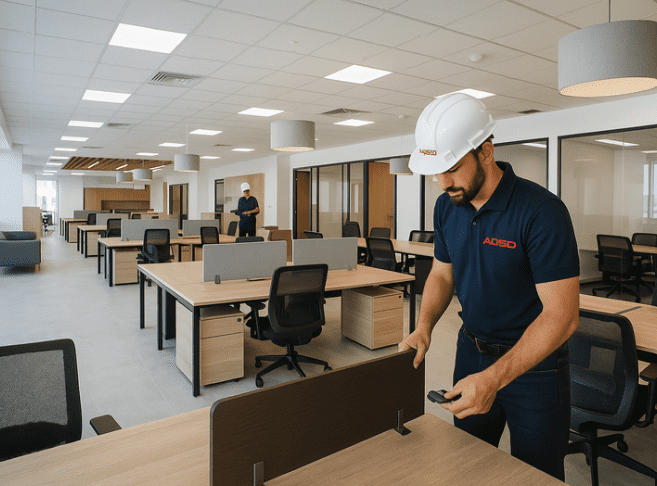

A property rarely develops major problems overnight. Small cracks, leaking fixtures, damaged tiles, faulty lights, worn doors, and minor plumbing issues can gradually turn into expensive repairs when they are ignored. General building maintenance provides a practical way to identify these problems early, keep essential areas functional, and preserve the overall condition of a property.
Whether it is an office, residential building, retail space, villa, warehouse, or commercial facility, regular maintenance helps ensure that the property remains comfortable, safe, and presentable.
What Is Included in General Building Maintenance?
General building maintenance covers a broad range of repair, upkeep, and preventive tasks. The exact requirements depend on the property’s age, size, construction, and usage.
Common services include:
- Plumbing repairs
- Electrical maintenance
- HVAC servicing
- Painting
- Carpentry
- Masonry
- Tiling
- Flooring repairs
- Ceiling maintenance
- Door and window repairs
- Waterproofing
- General civil works
- External property maintenance
The purpose is not simply to repair visible damage but to maintain the building as a complete working environment.
Preventive Maintenance Matters
One of the most effective ways to protect a property is to address potential problems before they become emergencies.
Routine inspections can identify issues with plumbing, electrical systems, air conditioning, walls, ceilings, roofing, drainage, doors, and other components.
Preventive maintenance can help:
- Reduce unexpected breakdowns
- Extend equipment life
- Control repair expenses
- Maintain building appearance
- Improve occupant comfort
- Reduce operational disruption
A planned maintenance schedule can also make property-related expenses easier to anticipate.
Plumbing Maintenance
Water-related problems can cause significant damage if they are left unresolved. Even a small leak can affect walls, ceilings, flooring, cabinetry, and other interior elements.
General maintenance teams can assist with:
- Pipe leaks
- Blocked drains
- Damaged faucets
- Toilets and sanitary fixtures
- Water tanks
- Pumps
- Drainage issues
Early detection is particularly important because hidden leaks can continue causing damage long before they become visible.
Electrical Maintenance
Lighting, switches, sockets, wiring, and other electrical components require proper inspection and maintenance.
Routine electrical maintenance can help identify faults before they interfere with building operations. Electrical work should always be handled by appropriately qualified professionals and in accordance with applicable safety requirements.
HVAC and Air Conditioning Maintenance
Comfortable indoor conditions depend heavily on properly functioning HVAC systems.
Maintenance may include equipment inspections, filter replacement, cleaning, troubleshooting, and general servicing.
Regular HVAC attention can help maintain performance and reduce the likelihood of unexpected breakdowns, particularly in environments where air conditioning operates frequently.
Painting and Surface Maintenance
Walls, ceilings, doors, and other surfaces naturally experience wear over time. High-traffic areas can deteriorate faster than less-used spaces.
General building maintenance can include:
- Interior painting
- Exterior painting
- Wall repairs
- Plastering
- Surface preparation
- Decorative touch-ups
Keeping surfaces in good condition can improve the overall appearance of both residential and commercial properties.
Carpentry and Joinery Repairs
Doors, cabinets, shelving, wooden partitions, and other fixtures may require occasional repair or adjustment.
Carpentry maintenance can include:
- Door repairs
- Cabinet repairs
- Hardware replacement
- Shelving adjustments
- Wooden fixture repairs
- Minor joinery work
These relatively small repairs can improve functionality and prevent damaged components from becoming more difficult to repair later.
Flooring and Tiling Maintenance
Flooring receives constant use and can develop cracks, stains, loose tiles, damaged grout, or other signs of deterioration.
Maintenance services may include tile replacement, regrouting, floor repairs, and replacement of damaged sections.
Using suitable materials for the specific area can also help improve long-term durability.
Waterproofing and Moisture Control
Waterproofing is an important part of maintaining roofs, bathrooms, balconies, terraces, and other areas exposed to moisture.
Signs such as damp patches, peeling paint, mould, or water stains may indicate an underlying moisture problem. Identifying the source before carrying out repairs is essential for achieving a lasting solution.
Maintenance for Commercial Buildings
Commercial properties often require consistent maintenance because employees, customers, equipment, and visitors rely on the building every day.
General building maintenance can support:
- Offices
- Retail spaces
- Restaurants
- Warehouses
- Showrooms
- Clinics
- Industrial facilities
Planned maintenance can help businesses reduce disruptions while keeping the property professional and functional.
Residential Building Maintenance
Homes, apartments, and villas also require regular attention. Common residential requirements include plumbing, electrical work, AC servicing, painting, carpentry, flooring, tiling, and general repairs.
For landlords and property managers, having a dependable maintenance provider can also make it easier to respond to tenant concerns and maintain the condition of rental properties.
Choosing a Building Maintenance Provider
When selecting a maintenance company, property owners should look beyond the basic service price.
Consider:
- Range of services
- Technical expertise
- Qualified workers
- Response times
- Preventive maintenance options
- Emergency support
- Workmanship
- Safety practices
- Availability of materials
- Project management
- Customer communication
A provider capable of handling several maintenance disciplines can simplify property management and reduce the need to coordinate multiple contractors.
General Maintenance vs. Emergency Repairs
Emergency repairs are sometimes unavoidable, but relying entirely on reactive maintenance can become expensive.
General building maintenance focuses on regular inspections, routine servicing, minor repairs, and preventive work. This approach can reduce the number of serious issues that require urgent attention.
The goal is simple: identify problems early and deal with them before they affect the building’s occupants or operations.
Conclusion
Effective general building maintenance helps preserve the condition, functionality, and appearance of a property over the long term. From plumbing and electrical repairs to HVAC servicing, painting, carpentry, flooring, tiling, waterproofing, and general civil work, regular attention can prevent small issues from becoming costly problems.
A professional maintenance approach should be based on the building’s actual requirements, usage, and condition. With routine inspections and timely repairs, property owners can protect their investment while providing a safer, more comfortable, and better-maintained environment.