
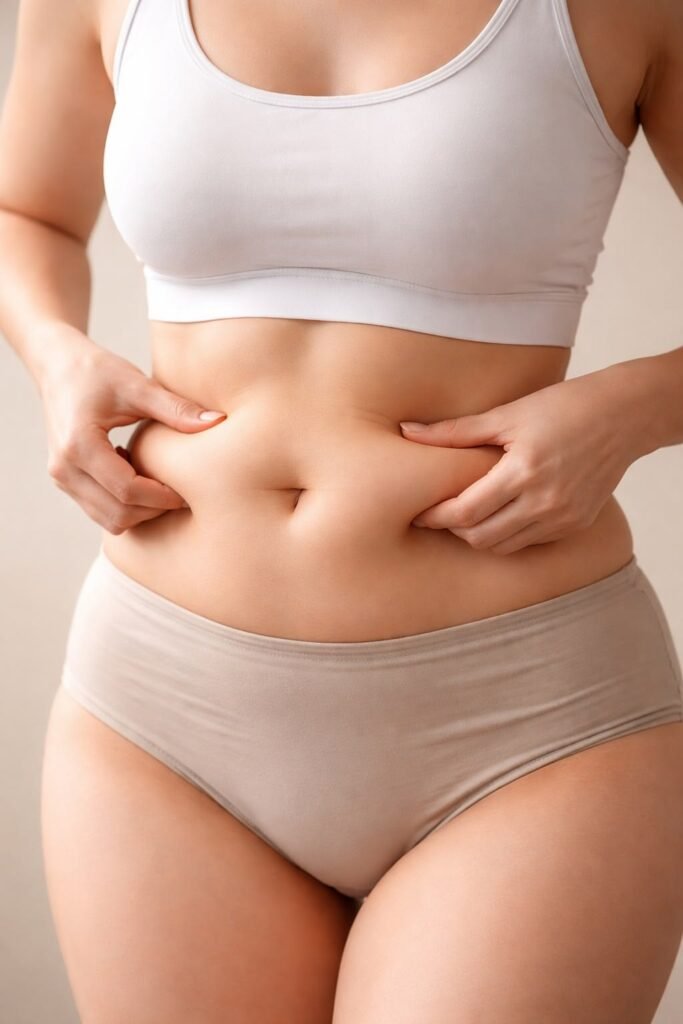

After pregnancy, many women notice changes that remain even after their weight has stabilized. The abdomen may have loose skin, the breasts may have lost volume or shifted downward, and localized fat can become more noticeable around the waist. Mommy Makeover Dubai can involve a combination of cosmetic procedures selected to address these individual concerns. The key is not choosing the largest number of procedures, but identifying the treatments that match the patient’s anatomy, health, and expectations.
What Does the Treatment Actually Mean?
The phrase mommy makeover describes a personalized approach to postpartum body contouring. It does not identify one operation or require a particular combination of treatments.
Depending on the patient’s needs, the surgical plan may include:
- Abdominoplasty
- Liposuction
- Breast lift
- Breast augmentation
- Breast reduction
- Breast lift with augmentation
Some patients may need treatment in only one area. Others may have concerns involving both the abdomen and breasts and may be suitable for combined surgery.
A responsible treatment plan should be based on an examination rather than a predetermined package. The purpose is to address specific physical changes while keeping the procedure proportionate to the patient’s needs.
What Changes Can Occur After Pregnancy?
Pregnancy places considerable stretching forces on the abdominal skin and underlying tissues. Breast tissue also changes substantially during pregnancy and breastfeeding.
Once these stages are complete, some tissues gradually contract. However, the extent of natural recovery varies.
Postpartum concerns can include:
- Abdominal skin laxity
- Persistent localized fat
- Abdominal-wall laxity
- Stretch marks
- Breast sagging
- Reduced breast fullness
- Increased breast volume
- Changes in body proportions
Weight changes can add another layer of complexity. Significant weight loss after pregnancy may improve overall body composition but can leave additional loose skin.
Understanding the source of each concern is important because different problems require different treatments.
Mommy Makeover Dubai: Matching Procedures to Concerns
The same procedure does not address every postpartum change.
When Abdominal Skin Is the Main Concern
A tummy tuck may be considered when there is substantial excess abdominal skin. The operation can remove selected skin and may address abdominal-wall separation when clinically appropriate.
The amount of improvement depends on skin quality, anatomy, surgical technique, and healing.
When Localized Fat Is the Main Concern
Liposuction may be appropriate for selected areas of localized fat. It is designed to contour specific areas rather than produce general weight loss.
It is most useful when the patient has relatively stable weight and sufficient skin quality for the planned treatment.
When Breast Sagging Is the Main Issue
A breast lift may be considered when the primary concern is a lower breast position or excess skin.
A lift reshapes and elevates the breast but does not automatically add substantial volume.
When Breast Fullness Has Decreased
Breast augmentation may be considered when volume loss is the primary concern.
The appropriate technique depends on the amount of existing breast tissue, chest anatomy, desired size, and other individual factors.
When Both Sagging and Volume Loss Exist
Some patients have both reduced fullness and breast descent. A combined lift and augmentation may be considered when both concerns need to be addressed.
Not every patient requires this combination, and the risks and expected benefits should be discussed individually.
How Is the Right Combination Determined?
Selecting procedures requires more than identifying visible changes. The surgeon needs to determine what is happening beneath the surface and whether the proposed treatment can realistically correct it.
The assessment may consider:
| Patient concern | Assessment focus | Possible approach |
|---|---|---|
| Loose abdominal skin | Skin excess and elasticity | Abdominoplasty |
| Localized fat | Fat distribution | Liposuction |
| Abdominal laxity | Abdominal-wall condition | Surgical repair when appropriate |
| Breast sagging | Breast position and skin envelope | Breast lift |
| Reduced breast volume | Existing tissue and proportions | Breast augmentation |
| Large or heavy breasts | Breast volume and symptoms | Breast reduction |
These categories are not automatic treatment recommendations. A consultation is necessary to determine what is medically appropriate.
In our clinical experience, the most useful treatment plans focus on the patient’s main anatomical concerns rather than attempting to correct every visible change at once.
Who Is Generally Considered a Candidate?
A patient should be medically and practically prepared before undergoing elective cosmetic surgery.
Potential candidates may:
- Have stable body weight
- Be in generally good health
- Have realistic expectations
- Understand surgical limitations
- Have completed or nearly completed childbearing
- Be prepared for postoperative restrictions
- Have persistent concerns that surgery may address
A stable weight is particularly important when extensive body contouring is being considered.
Patients who are still planning substantial weight loss may be advised to complete that process first. Future pregnancies should also be discussed because pregnancy can alter the abdomen and breasts again.
When Should Surgery Be Delayed?
Sometimes waiting is the more appropriate decision.
Surgery may need to be postponed when:
- The patient is currently pregnant
- Breastfeeding-related changes have not stabilized
- Significant weight loss is still planned
- A medical condition requires optimization
- The patient cannot arrange adequate recovery support
- Expectations are unrealistic
- Another pregnancy is planned soon
Smoking may also increase certain surgical risks and interfere with wound healing. The surgeon should receive complete information about smoking, medications, supplements, allergies, and previous procedures.
Mommy Makeover Dubai: Can Procedures Be Combined?
Combining procedures can allow several concerns to be addressed during one planned surgical period. However, combining treatments can also increase operative complexity.
The surgeon must consider:
- Total surgical duration
- Anesthesia requirements
- Blood loss
- Patient health
- Recovery demands
- Risk factors
- Extent of tissue manipulation
More procedures do not automatically mean better results.
Current evidence suggests that careful patient selection and appropriate surgical planning are central to reducing avoidable risks during elective procedures.
The decision should therefore be individualized rather than based on the idea that every mommy makeover should contain the same procedures.
What Should You Expect Before Surgery?
The process usually starts with consultation and assessment.
The surgeon may examine the abdomen, waist, breasts, skin quality, and existing scars. Medical history and previous operations are also reviewed.
Patients may need preoperative medical assessments depending on their age, health, and planned procedures.
Before surgery, patients should understand:
- The recommended procedures
- The reason for each procedure
- Expected scars
- Anesthesia arrangements
- Recovery requirements
- Activity restrictions
- Potential complications
- Follow-up schedule
Preparing the home in advance can make recovery easier. Mothers may also need help with childcare because lifting children can be restricted during the early healing period.
What Happens During Recovery?
Recovery depends on the combination and extent of surgery.
Early symptoms can include swelling, bruising, tightness, soreness, fatigue, and temporary changes in sensation.
Abdominal surgery may temporarily make bending, standing, and getting in and out of bed more difficult. Breast procedures may restrict certain upper-body movements.
What patients typically report during recovery is that the healing process becomes easier as mobility improves and swelling gradually settles.
Patients should follow their surgeon’s instructions rather than using generalized online timelines. The appropriate time to drive, exercise, work, lift, or resume other activities depends on the individual operation and recovery.
What Are the Safety Considerations?
Cosmetic surgery carries potential complications regardless of whether the procedure is elective.
Possible risks include:
- Infection
- Bleeding
- Hematoma
- Seroma
- Delayed wound healing
- Scarring
- Changes in sensation
- Asymmetry
- Contour irregularities
- Blood clots
- Anesthesia-related complications
- Revision surgery
The risks may vary depending on the number and type of procedures performed.
Patients should disclose relevant medical conditions and medications before surgery. Following postoperative instructions and attending scheduled follow-ups are also important parts of safe recovery.
How Do You Protect the Long-Term Result?
Surgery can reshape selected tissues, but it does not prevent future changes.
Pregnancy, significant weight changes, and natural aging can affect the result. Maintaining a relatively stable weight may help preserve body contours.
Healthy nutrition and regular physical activity can support overall health, but they cannot completely prevent changes caused by aging or another pregnancy.
Patients should therefore consider their future family plans and weight goals before scheduling surgery.
Questions to Ask Before Choosing Your Procedures
A consultation should give you enough information to understand why a particular treatment is being recommended.
Ask:
- What is causing each of my main concerns?
- Which procedure addresses each problem?
- Do I need more than one operation?
- Can the procedures be safely combined?
- What alternatives are available?
- What scars should I expect?
- How long may recovery take?
- When can I return to normal activities?
- What complications should I understand?
- Could future pregnancy change the outcome?
These questions can help shift the decision from choosing a package to choosing an individualized treatment plan.
Frequently Asked Questions
Does every mommy makeover include a tummy tuck?
No. A tummy tuck is common in postpartum body-contouring discussions, but it is not appropriate or necessary for every patient.
Can I have liposuction without a tummy tuck?
Some patients may be suitable for liposuction alone when localized fat is the primary concern and skin quality is adequate.
Does a breast lift increase breast size?
A breast lift primarily changes breast position and shape. Additional volume may require augmentation if medically appropriate.
Can surgery correct stretch marks?
A tummy tuck may remove some stretch-marked skin when those areas fall within the portion removed. It does not remove all stretch marks throughout the abdomen or body.
Will pregnancy change the surgical result?
It can. Pregnancy may stretch abdominal tissues and alter breast volume and position.
Choosing Treatment Based on Your Individual Needs
The right cosmetic procedure is determined by the problem being treated, not by the name of the treatment package. Postpartum changes can involve skin, fat, muscle, breast tissue, or several structures simultaneously.
Mommy Makeover Dubai may be suitable for carefully selected patients who want to address persistent changes after pregnancy and have realistic expectations about surgical outcomes. A consultation with a qualified plastic surgeon can help identify the most appropriate procedures, explain potential risks, and establish whether treatment fits your current health and future plans.