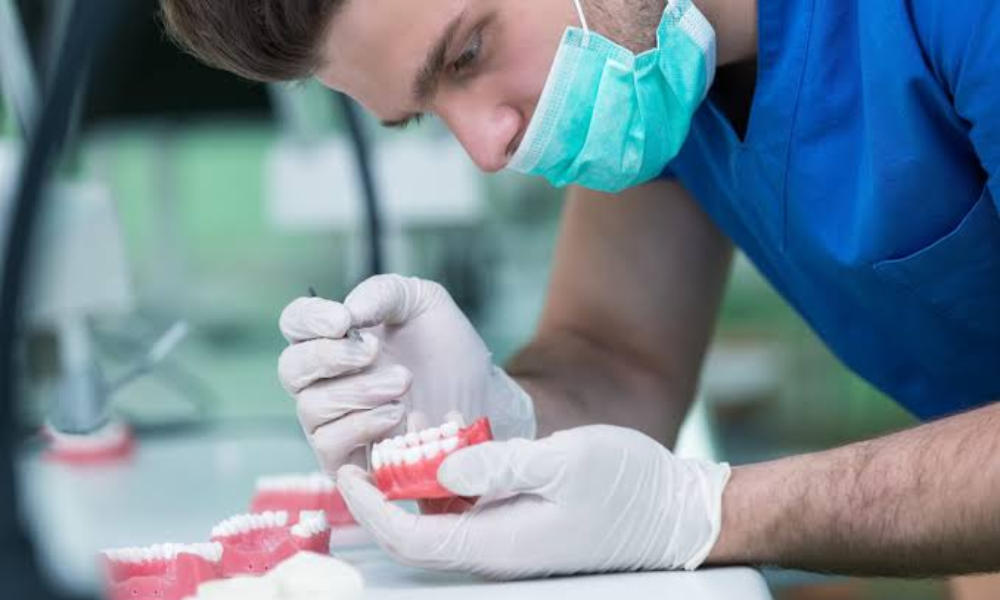

Getting used to new dentures can take time, patience and regular practice. Whether you have complete or partial dentures, the first few weeks may feel different from what you expected. Your dentures may feel bulky, your speech may change slightly, and eating can require a new technique. These experiences are generally part of the adjustment process, and most people become more comfortable with continued use and practice.
If you are researching Dentures Peterborough, understanding what to expect after receiving new dentures can make the transition easier. Proper care, gradual changes to your diet and attention to any persistent discomfort can all help you adapt successfully.
What to Expect When You First Wear New Dentures
New dentures can initially feel unusual because your mouth needs to adjust to an artificial appliance. You may notice that the dentures feel larger than expected or that there is more saliva in your mouth. These sensations usually become less noticeable as you become accustomed to wearing them. NHS guidance notes that it can take several weeks to become comfortable with dentures.
Learning how to insert and remove your dentures can also take practice. Handling them carefully is important because dropping them onto a hard surface can cause damage.
It is helpful to follow the instructions provided by your dental professional rather than expecting the dentures to feel completely natural immediately.
Eating With New Dentures
Eating is often one of the biggest challenges during the initial adjustment period. Dentures do not function exactly like natural teeth, so you may need to change how you eat while learning to control them.
Start with soft foods that require less chewing. Examples can include cooked vegetables, soft pasta, eggs, yoghurt and other foods that are easy to manage. Gradually introduce firmer foods as your confidence improves. NHS dental guidance recommends beginning with softer foods and progressing towards a more normal diet.
Cutting food into small pieces can make chewing easier. Try to chew on both sides of your mouth at the same time because this can help distribute pressure more evenly and reduce the chance of the denture tipping.
During the early adjustment period, very sticky, hard or sharp foods may be difficult to manage. It is also generally advisable to avoid biting directly into hard foods with the front teeth because this can cause the denture to move.
Practising Your Speech
New dentures can temporarily affect the way you pronounce certain sounds. This happens because your tongue and other parts of your mouth need to adapt to the shape and position of the new appliance.
Regular speaking practice can help. Reading a book, newspaper or other material aloud provides an easy way to practise pronunciation in a comfortable environment. NHS dental guidance indicates that speech difficulties normally improve with practice and continued denture use.
You may notice that some words are more difficult to pronounce than others. Instead of avoiding them, repeat them slowly until your speech becomes more natural.
Managing Initial Soreness
Some soreness can occur when new dentures are first worn. Dentures may rub against areas of the gums, particularly during the initial fitting period. Mild sore spots can occur during the first few days and may improve as your mouth adapts.
However, significant or persistent pain should not simply be accepted. A dentist can identify areas where the denture is putting excessive pressure and make appropriate adjustments.
Keeping Your Dentures Clean
Good denture hygiene is essential during the adjustment period and afterwards. Food debris, plaque and other deposits can accumulate on dentures and may contribute to unpleasant odours, irritation and oral infections if they are not cleaned properly.
Dentures should be cleaned regularly according to your dental professional’s instructions. NHS guidance recommends brushing dentures with soft soap or washing-up liquid rather than toothpaste, which can be abrasive and may damage their surface.
Your remaining natural teeth, gums and tongue also need regular cleaning. If you have natural teeth alongside partial dentures, maintaining them is particularly important for your overall oral health.
Removing Dentures at Night
For most people, dentures should be removed before sleeping. Taking them out gives the gums time to rest and helps reduce the risk of problems associated with prolonged wearing.
NHS guidance advises removing dentures at night unless a dental professional has specifically recommended otherwise. They should be stored appropriately so they do not dry out or become damaged.
Dentures should not be placed in hot or boiling water because heat can cause them to change shape. Cool or appropriately warm water and a suitable denture-cleaning solution can be used according to the manufacturer’s instructions.
Giving Yourself Time to Adapt
There is no single timetable that applies to everyone. Some people become comfortable with new dentures relatively quickly, while others need several weeks of practice.
Consistency is important. Wearing the dentures as advised, practising speaking and gradually introducing different foods can help your mouth and muscles become accustomed to them.
It is also normal for new dentures to require some adjustment after they have been fitted. Follow-up appointments allow a dental professional to check how the dentures are functioning and address areas causing discomfort.
Changes to Dentures Over Time
Even a well-fitting denture can eventually become less secure. The shape of the gums and jawbone can change after tooth loss, which may affect how the denture fits.
Immediate dentures can be particularly affected by changes following tooth extraction because the mouth continues to heal and change shape. NHS information states that immediate dentures may require adjustment or replacement as the mouth changes during healing.
If your dentures start slipping, clicking while you speak, causing repeated soreness or making eating difficult, they should be assessed. These signs can indicate that the fit needs professional attention.
When to Seek Professional Advice
Some adjustment difficulties are expected, but certain problems should not be ignored. Contact a dental professional if your dentures cause persistent pain, repeatedly slip, no longer fit properly or become damaged.
Red or bleeding gums, bad breath or ongoing mouth irritation can also indicate an oral health problem requiring assessment. NHS guidance recommends having dentures checked when they become uncomfortable, loose or damaged.
Denture adhesive should not be used simply to compensate for a poorly fitting denture. The American Dental Association notes that an ill-fitting denture may need professional adjustment, relining or replacement rather than relying on adhesive as a long-term solution.
Conclusion
Adjusting to new dentures is a gradual process. Initial bulkiness, increased saliva, changes in speech and difficulty eating are common experiences, but they generally improve with patience and practice.
Starting with softer foods, chewing carefully, practising speech, maintaining good denture hygiene and removing dentures at night can all support the adjustment process. Most importantly, persistent pain or an unstable fit should be professionally assessed rather than ignored.
For anyone considering Dentures Peterborough, understanding the adjustment process can help set realistic expectations and make the transition to wearing dentures more manageable.