

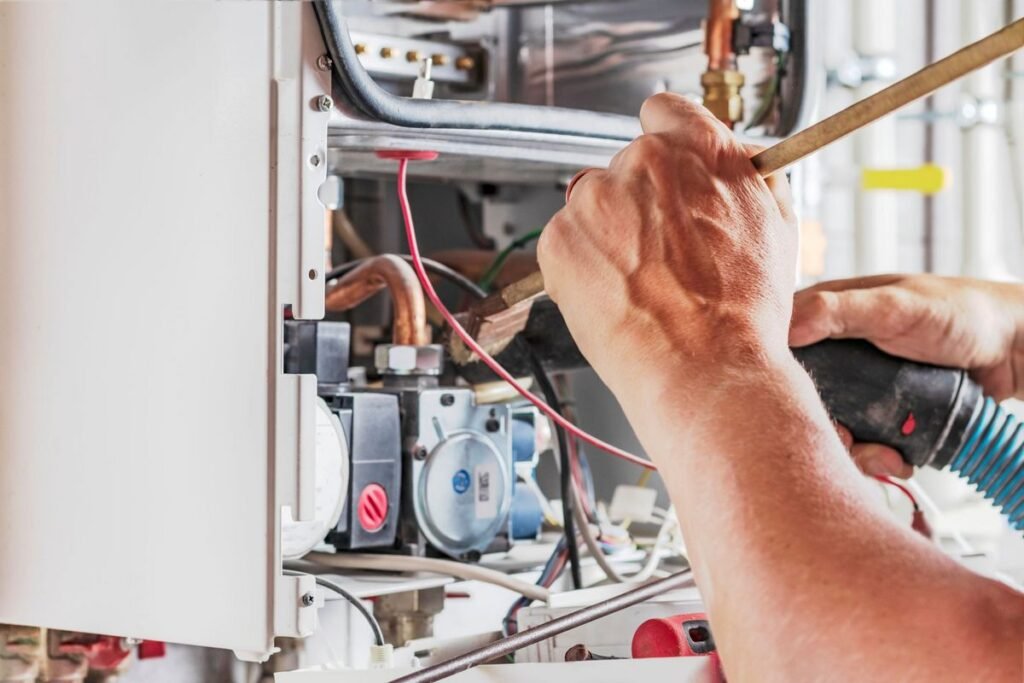

Replacing an old heating system is a significant decision for any homeowner. When a boiler becomes unreliable, inefficient, expensive to repair, or unable to meet the heating and hot-water demands of a property, upgrading to a modern combi boiler can be a practical solution. A combi boiler swap involves replacing an existing boiler with a new combination boiler that provides central heating and hot water without requiring a separate hot-water cylinder or traditional storage tank.
Modern homeowners are increasingly looking for heating solutions that are efficient, dependable, space-saving, and suitable for everyday use. However, choosing the right boiler and ensuring that it is correctly installed requires careful planning. The condition of the existing heating system, property size, hot-water requirements, pipework, boiler location, and energy efficiency should all be considered before work begins.
A professionally planned replacement can improve heating performance while helping homeowners manage energy consumption and reduce the likelihood of unexpected breakdowns. It can also provide a more convenient hot-water supply for properties where space is limited.
What Is a Combi Boiler?
A combi boiler swap means removing an existing boiler and installing a new combination boiler in its place. Unlike conventional heating arrangements that may use a separate cylinder and cold-water storage tank, a combi boiler heats water directly when it is needed.
This type of system is popular in many UK homes because it combines heating and hot-water functions within one compact appliance. As a result, there is often no requirement for a separate hot-water cylinder.
How a Combination Boiler Works
A combination boiler has two primary functions. First, it heats water for radiators and other central-heating appliances. Secondly, it heats mains water directly whenever a tap or shower requires hot water.
When a hot-water tap is opened, the boiler detects the demand and begins heating the incoming water. This means hot water can be available without waiting for a storage cylinder to heat up.
The system is therefore particularly convenient for households that want on-demand hot water and a simpler heating arrangement.
Why Boiler Replacement May Be Necessary
Boilers do not last indefinitely. Over time, components can wear out, efficiency can decline, and repairs may become increasingly expensive. Older boilers may also lack some of the efficiency features available in newer models.
Warning signs that a replacement may be worth considering include:
- Frequent boiler breakdowns
- Increasing repair costs
- Poor heating performance
- Radiators taking longer to warm up
- Unreliable hot-water supply
- Unusual boiler noises
- Visible corrosion or leakage
- Difficulty finding replacement parts
- Higher-than-expected energy bills
A professional assessment can help determine whether repairing the existing appliance is sensible or whether replacement would provide better long-term value.
Benefits of Replacing an Older Boiler
A modern heating system can offer several practical advantages. Although the exact benefits depend on the property and existing installation, upgrading an outdated boiler can improve reliability, convenience, and overall heating performance.
Improved Energy Efficiency
Newer boilers are designed with modern efficiency standards in mind. Better heat management and improved controls can help reduce unnecessary energy consumption.
However, boiler efficiency is only one part of overall household energy use. Radiator condition, insulation, heating controls, thermostat settings, and user behaviour can also affect how efficiently a home is heated.
Better Heating Performance
An appropriately sized boiler can provide consistent heating throughout the property. Correct sizing is important because a boiler that is too small may struggle to meet demand, while an unnecessarily large boiler may not operate as efficiently as intended.
A qualified installer can assess the property before recommending an appropriate output.
Space-Saving Design
One of the biggest advantages of a combination boiler is its compact design. Because it does not normally require a separate hot-water storage cylinder, homeowners may gain additional cupboard or storage space.
This can be particularly useful in smaller homes, flats, apartments, and properties where storage space is limited.
Reliable Hot Water
A modern combination boiler can deliver hot water directly from the mains supply. This eliminates the need to store a large quantity of heated water in a cylinder.
For many households, this makes everyday activities such as showering, washing dishes, and running taps more convenient.
Planning a Boiler Replacement
Before starting a replacement project, several factors should be assessed. Proper planning can help avoid installation problems and ensure that the selected boiler is suitable for the property.
Assess the Existing Heating System
The existing boiler, pipework, radiators, controls, and flue arrangement should be inspected. The condition of these components can influence the complexity and cost of the installation.
In some situations, an existing system may need additional work before the new boiler can operate correctly.
Consider Property Size
Property size alone does not determine the correct boiler output. The number of rooms, bathrooms, radiators, occupants, insulation levels, and expected hot-water demand should also be considered.
A professional heating assessment is therefore preferable to choosing a boiler based solely on its advertised output.
Review Hot-Water Demand
A combi boiler can be an excellent choice for many homes, but it may not be ideal for every household. Properties with several bathrooms or simultaneous high hot-water demand may require a different system configuration.
The installer should consider how many people live in the property and how the heating and hot-water system is normally used.
What Happens During a Boiler Replacement?
The installation process varies according to the property and existing heating system. However, a typical replacement involves several important stages.
Initial Inspection
The installer assesses the existing boiler, heating system, gas supply, water supply, flue route, electrical connections, and available installation space.
This inspection helps identify potential issues before the old appliance is removed.
Removal of the Existing Boiler
The old boiler is safely isolated and removed according to appropriate procedures. Any redundant connections should be dealt with properly rather than simply being left unused.
Installation of the New Appliance
The replacement boiler is positioned according to manufacturer requirements and applicable installation standards. Connections for heating, hot water, gas, electrical supply, and condensate drainage are completed as required.
Testing and Commissioning
After installation, the system should be checked carefully. The boiler needs to be commissioned correctly, controls should be tested, and the heating and hot-water functions should be verified.
Homeowners should also receive relevant information about operating the new system and maintaining it properly.
Choosing the Right Boiler Installer
Selecting the right installer is just as important as choosing the boiler itself. Poor installation can cause performance problems, safety concerns, and unnecessary future expenses.
Check Professional Qualifications
Gas boiler work should be carried out by an appropriately qualified professional. Homeowners should verify relevant credentials before allowing work to begin.
It is also sensible to ask whether the installer has experience with the particular boiler brand and type being considered.
Ask About Installation Details
A reliable installer should be able to explain what the work involves, what components are included, whether additional pipework may be required, and how the system will be commissioned.
A clear quotation can help prevent misunderstandings about the overall project.
Look Beyond the Initial Price
The cheapest quotation is not necessarily the best choice. Installation quality, product suitability, workmanship, warranty arrangements, and aftercare should all be considered.
A professionally installed boiler can provide better long-term value than an inexpensive installation completed without adequate assessment.
Improving Boiler Performance After Installation
Installing a modern boiler is only one step towards an efficient heating system. Homeowners can also improve performance through sensible maintenance and heating practices.
Use Heating Controls Properly
Modern controls can help homeowners manage heating schedules and temperatures more effectively. Programmable thermostats and smart controls may allow heating to operate according to household routines rather than running continuously.
Maintain the Heating System
Regular servicing and maintenance can help identify potential problems before they become major faults. Radiators should also be checked for cold spots, unusual noises, or signs of trapped air.
If the heating system contains significant sludge or debris, professional cleaning may be recommended.
Keep the Boiler Area Accessible
The boiler should remain accessible for inspection, servicing, and emergency work. Avoid storing items around the appliance that could obstruct access or ventilation requirements.
Common Mistakes to Avoid
Boiler replacement should not be approached as a simple appliance purchase. Several common mistakes can affect the performance and value of a new system.
One mistake is selecting a boiler solely because it has a high output. Bigger does not automatically mean better. Another is ignoring the condition of existing radiators and pipework.
Homeowners should also avoid choosing an installer based only on the lowest price. Proper installation, commissioning, documentation, and ongoing support are important parts of the overall service.
Finally, it is important not to ignore unusual boiler behaviour after installation. Strange noises, pressure problems, leaks, or inconsistent heating should be investigated promptly by a qualified professional.
When Is a Boiler Replacement Worth Considering?
Every property is different, so there is no universal replacement schedule. However, replacement may become more attractive when an older boiler requires frequent repairs, has declining performance, or becomes increasingly expensive to operate.
A professional assessment can compare the condition and expected future repair costs of the existing appliance against the advantages of installing a modern system.
For homeowners considering a combi boiler swap, the decision should therefore be based on the property’s heating requirements, existing infrastructure, budget, and long-term expectations rather than age alone.
How to Prepare for a New Boiler
Homeowners can make the installation process easier by preparing in advance. Clear access to the boiler location, remove valuable belongings from nearby areas, and discuss any concerns with the installer before work starts.
It is also useful to identify how the heating system is currently used. Information about hot-water demand, heating schedules, recurring boiler problems, and previous repairs can help the installer understand the property’s requirements.
After installation, homeowners should familiarise themselves with the controls and keep documentation relating to the appliance and installation in a safe place.
Long-Term Value of a Modern Heating System
A new boiler should be viewed as part of the property’s wider heating infrastructure. The benefits are maximised when the boiler is correctly sized, professionally installed, appropriately controlled, and regularly maintained.
Homeowners should also consider insulation, radiator performance, thermostat placement, and heating schedules. These factors can influence comfort and energy consumption alongside the boiler itself.
A carefully planned combi boiler swap can provide a modern heating solution that is compact, convenient, and suitable for many domestic properties. Nevertheless, the best solution depends on the individual characteristics of the home and the household’s heating and hot-water requirements.
Conclusion
Replacing an ageing boiler can be an important investment in home comfort, reliability, and heating performance. A modern combination boiler may provide convenient hot water, efficient heating, and a compact system design, particularly where a separate hot-water cylinder is unnecessary.
Before making a decision, homeowners should assess their existing system, consider their hot-water demand, choose an appropriately sized appliance, and use a suitably qualified installer. Proper commissioning and ongoing maintenance are equally important for achieving dependable long-term performance.
For homeowners planning a combi boiler swap, FH Plumbing & Gas Installations can provide professional support with boiler replacement, heating requirements, and plumbing services, helping customers make informed decisions based on their property’s needs.