

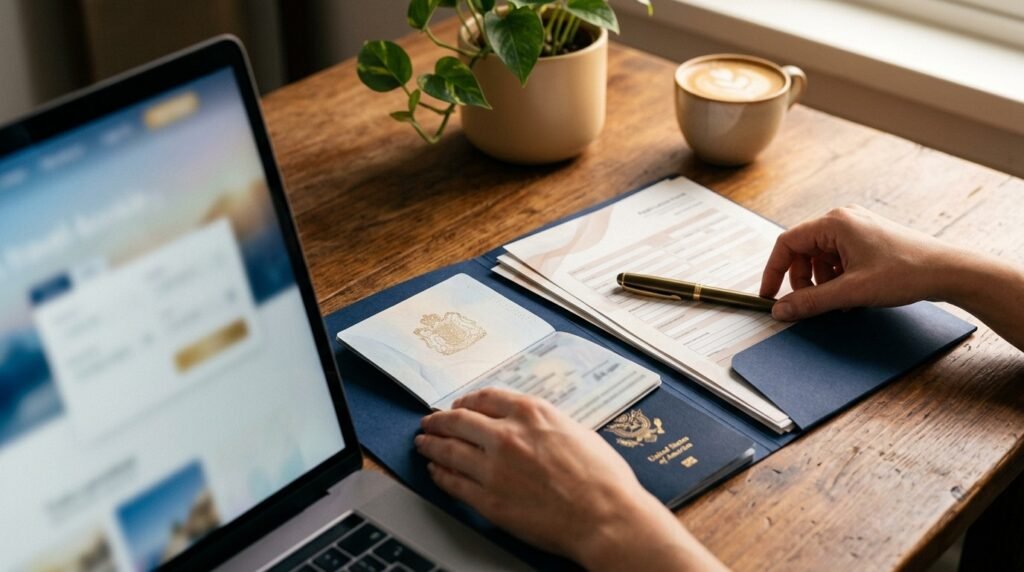

Applying for a visa can feel like navigating a maze blindfolded. You gather your documents, fill out the forms carefully, pay the fee and then wait, hoping for the best. But every year, thousands of otherwise qualified applicants receive a rejection letter, often for reasons that were completely avoidable.
In 2026, embassies and immigration authorities have tightened their screening processes even further, using AI-assisted fraud detection, deeper financial scrutiny, and stricter document verification. That means even small, seemingly minor mistakes can now result in a refusal. Understanding exactly what goes wrong and how to fix it before you apply — can make the difference between a “yes” and a costly “no.”
Just How Common Are Visa Rejections?
Rejection rates vary widely depending on the destination and visa category, but the numbers are higher than most applicants expect:
| Country | Visa Type | Approximate Rejection Rate |
|---|---|---|
| Schengen Countries | Tourist Visa | ~15% |
| United States | B1/B2 Visitor Visa | 27–30% |
| United States | F-1 Student Visa | ~41% |
| Canada | Student Permit | Up to 74% |
| United Kingdom | Visitor Visa | ~9% |
| Australia | Visitor Visa | 10–15% |
(Source: Visa2Fly, “Visa Rejection in 2026”)
The takeaway here is important: approval depends far more on the quality of your application than on the country itself. A well-prepared, complete application often succeeds regardless of destination, while weak or inconsistent applications get flagged everywhere.
The Most Common Reasons Visas Get Rejected
1. Incomplete or Inconsistent Documentation
This is, by far, the number one reason applications get refused. Missing bank statements, mismatched dates across documents, or unclear employment letters all raise red flags for visa officers even when the applicant has nothing to hide.
2. Weak Proof of “Ties” to Home Country
For tourist and visitor visas especially, officers need to be convinced you intend to return home. Insufficient proof of stable employment, property, family responsibilities, or financial roots can lead an officer to assume immigration intent, even if that’s not the case.
3. Insufficient Financial Evidence
Applicants are often rejected simply because their bank statements don’t clearly show they can support themselves during the trip (or, for study visas, cover tuition and living costs). Large unexplained deposits right before applying are also a common trigger for suspicion.
4. Errors on the Application Form
Something as small as a mismatched name spelling, wrong passport number, or an inconsistent travel itinerary between the form and supporting documents can result in an automatic refusal in some countries.
5. Poor Interview Performance
For countries that require an interview (like the U.S.), vague or inconsistent answers about the purpose of travel, funding, or return plans are one of the leading causes of refusal — this is where Section 214(b) refusals commonly happen for U.S. visitor visas.
6. Previous Visa Violations or Overstays
A past overstay, even a minor one, significantly increases scrutiny on future applications — sometimes leading to outright refusal regardless of how strong the new application looks.
7. Last-Minute or Rushed Applications
Applying too close to your travel date, without giving embassies enough time to properly review documents, can also work against you some rejections happen simply because the timeline looked suspicious rather than because of any specific red flag.
(Sources: BankBazaar, “Visa Refusal Common Reasons & How to Overcome Them”; Visa2Fly, “11 Common US Visa Rejection Reasons”)
The Real Cost of a Rejection
A visa rejection isn’t just disappointing it’s expensive and disruptive. Beyond losing non-refundable visa fees, a refusal can:
- Delay or derail study start dates
- Cost you a job offer that had a fixed start date
- Complicate future visa applications, since some countries ask if you’ve ever been refused a visa before
- Force you to restart the entire documentation process from scratch
This is exactly why so many applicants even ones with strong profiles choose not to go it alone.
Why Professional Guidance Makes a Measurable Difference
Immigration data consistently shows that professionally prepared applications outperform self-filed ones. According to compiled U.S. Department of State and USCIS data, applications with proper legal or expert preparation correlate with significantly higher approval rates than self-filed petitions across almost every visa category (Source: Alma, “Visa Denial Rate Statistics”).
This is where working with an experienced visa consultancy like Globalized Visa Experts — genuinely changes the odds. A consultant who works with these applications daily knows exactly what each embassy’s checklist actually requires, can catch inconsistencies before they become rejections, and can prepare applicants for interview questions that trip up first-time travelers.
How to Strengthen Your Application Before You Submit
- Start early. Give yourself at least 6–8 weeks before your intended travel date, especially for countries with longer processing times.
- Cross-check every document. Names, dates, and numbers should match exactly across your passport, application form, and supporting documents.
- Build a clear financial picture. Avoid large, unexplained deposits right before applying funds should show a consistent, explainable history.
- Prove your ties honestly. Employment letters, property documents, or family responsibilities should clearly show your reason to return home.
- Practice for the interview. If your destination requires one, rehearse clear, consistent answers about your travel purpose, funding, and return plans.
- Don’t hide past issues. If you’ve had a previous refusal or overstay, address it proactively rather than hoping it goes unnoticed immigration systems are increasingly interconnected.
- Get a second set of eyes. A quick professional review before submission can catch the small errors that applicants often miss simply because they’re too close to their own paperwork.
What to Do If You’ve Already Been Rejected
A rejection isn’t always the end of the road. Depending on the country, you may have options to:
- Appeal or request a review, if the destination country allows it
- Reapply with stronger documentation, directly addressing the specific reason for refusal (most refusal letters state a reason use it)
- Wait for a “cooling-off” period, if the embassy recommends one, before submitting again
The key mistake applicants make at this stage is reapplying with the exact same application, hoping for a different result. Each reapplication should specifically address what went wrong the first time.
Final Thoughts
Visa rejections are rarely about bad luck in the vast majority of cases, they come down to preventable documentation gaps, weak financial evidence, or inconsistent answers. The good news is that every one of these issues is fixable with the right preparation and guidance.
Whether you’re applying for a tourist visa, a student permit, or a work visa, taking the process seriously from day one and getting expert eyes on your application before you submit is consistently the difference between a smooth approval and a frustrating rejection.