
Achieving ISO certification is an important step for organizations that want to improve quality management, strengthen compliance processes, and build customer confidence. However, the success of an ISO implementation project often depends on selecting the right consulting partner. With numerous ISO certification consultants available in India, businesses should carefully evaluate their expertise, industry knowledge, and service capabilities before making a decision.
Understand Your Certification Requirements
Before selecting a consultant, identify the ISO standard that applies to your organization. Different industries may require different certifications, such as:
- ISO 9001 for Quality Management Systems
- ISO 13485 for Medical Devices Quality Management
- ISO 14001 for Environmental Management
- ISO 45001 for Occupational Health and Safety
- ISO 27001 for Information Security Management
A consultant with experience in your specific industry and certification requirements can provide more practical guidance throughout the implementation process.
Evaluate Industry Experience and Technical Knowledge
Experience plays a significant role in ISO certification projects. Organizations should look for consultants who understand regulatory requirements, documentation processes, risk management principles, and audit expectations.
When reviewing a consulting company, consider:
- Years of experience in compliance and certification projects
- Industry-specific expertise
- Understanding of applicable regulations
- Previous implementation experience across multiple sectors
Experienced consultants can help organizations avoid common mistakes that often delay certification timelines.
Assess Documentation and Implementation Support
ISO certification requires structured documentation, process mapping, internal audits, corrective actions, and management reviews. A reliable consultant should provide guidance throughout the entire implementation journey rather than focusing only on documentation preparation.
Comprehensive support generally includes:
- Gap assessment
- Documentation development
- Process implementation guidance
- Internal audit support
- Employee awareness training
- Certification audit preparation
A consultant who supports both implementation and compliance readiness can help organizations establish sustainable management systems.
Look for a Practical and Risk-Based Approach
Modern ISO standards emphasize risk-based thinking and continuous improvement. Effective consultants should help organizations integrate ISO requirements into day-to-day operations instead of creating unnecessary paperwork.
Businesses should seek consultants who:
- Focus on practical implementation
- Identify compliance gaps objectively
- Recommend realistic improvement measures
- Support long-term system effectiveness
This approach helps organizations gain value beyond certification itself.
Verify Expertise in Regulated Industries
Companies operating in highly regulated sectors such as medical devices, pharmaceuticals, healthcare, and manufacturing often require additional compliance support beyond ISO certification.
For example, organizations involved in medical devices may benefit from consultants who understand:
- ISO 13485 requirements
- ISO 14971 risk management principles
- Regulatory compliance frameworks
- Technical documentation requirements
- International market access expectations
Industry-specific expertise can significantly improve implementation efficiency and audit readiness.
Consider Communication and Training Capabilities
Successful ISO implementation depends on employee participation. Consultants should be able to explain requirements clearly to management teams and operational staff.
Training support can help organizations:
- Understand ISO requirements
- Improve internal compliance awareness
- Build audit preparedness
- Strengthen quality culture
Clear communication often contributes to smoother implementation and certification outcomes.
Reviewing Consulting Services Available
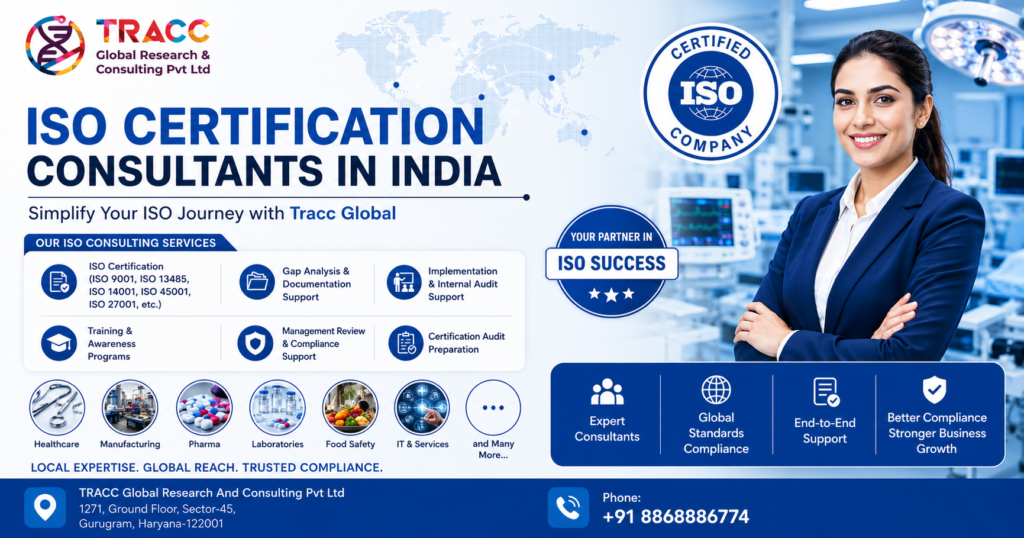
When evaluating ISO consulting providers, organizations may consider firms that offer broader compliance and quality management support. For example, Tracc Global provides consulting services related to quality management systems, medical device compliance, risk management frameworks, documentation support, audit preparation, and regulatory guidance across various industries.
Such integrated service capabilities can be valuable for organizations seeking both certification assistance and ongoing compliance support.
Key Questions to Ask Before Hiring an ISO Consultant
Before making a final decision, consider asking:
- What ISO standards do you specialize in?
- Do you have experience in our industry?
- What implementation support is included?
- How do you conduct gap assessments?
- Do you provide internal audit assistance?
- What training programs are available?
- Can you support regulatory compliance requirements alongside ISO certification?
The answers can help determine whether the consultant’s expertise aligns with your organization’s objectives.
Conclusion
Choosing the right ISO certification consultant requires careful evaluation of industry expertise, implementation capabilities, regulatory knowledge, and long-term support services. Organizations should prioritize consultants who offer practical guidance, strong technical understanding, and comprehensive compliance support.
For businesses seeking assistance with quality management systems, medical device compliance, risk management, documentation preparation, and audit readiness, consulting firms such as Tracc Global provide services designed to support organizations throughout the certification and compliance process. The ultimate goal should be selecting a partner that helps build sustainable systems while ensuring compliance with relevant ISO standards and industry requirements.
Last Update: June 24, 2026