
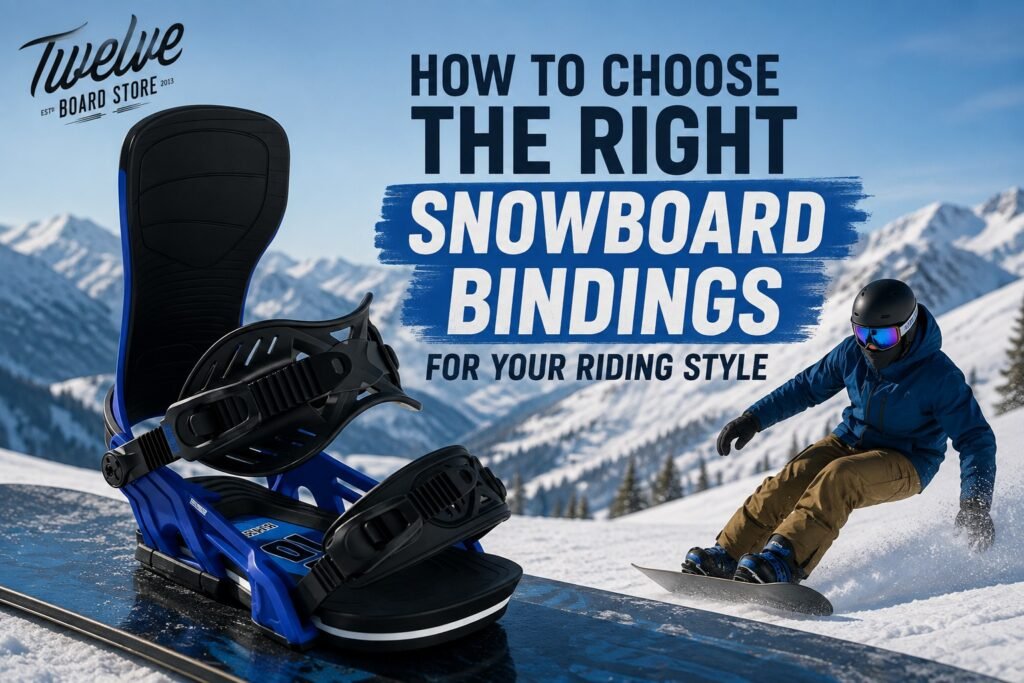

Choosing the right gear can make a noticeable difference to your time on the mountain. While snowboarders often spend plenty of time comparing boards and boots, bindings deserve just as much attention. They connect your boots to the board, helping transfer your movements into turns, stops, jumps, and other riding techniques.
The right snowboard bindings should feel secure without being uncomfortable. They also need to suit your riding style, experience level, boots, and the type of terrain you enjoy. Whether you are learning your first turns or looking to improve your performance, understanding what to look for can help you make a more confident decision.
Start With Your Riding Style
The best place to begin is by considering how you normally ride. Different riding styles place different demands on your bindings.
If you enjoy cruising around the mountain and exploring different types of terrain, all-mountain bindings are a versatile choice. They generally offer a balanced combination of response, comfort, and flexibility, making them suitable for riders who do not want to limit themselves to one particular style.
Freestyle riders may prefer bindings with a little more flexibility. A softer setup can make presses, grabs, spins, and park riding feel more natural. On the other hand, riders who spend most of their time carving at speed or tackling challenging terrain may benefit from a stiffer binding that provides stronger support and faster response.
Read Also: Soft Flex vs Stiff Flex Nitro Snowboard Shoes: Which One Is Right?
Consider Flex and Responsiveness
Binding flex affects how quickly your movements are transferred to the snowboard. Softer bindings tend to feel more forgiving, which can be helpful for beginners and riders who prefer a relaxed, playful feel.
Medium-flex bindings offer a useful middle ground. They can provide enough response for confident carving while still allowing some freedom for freestyle riding. This makes them a popular option for riders who want one setup that can handle different conditions.
Stiffer bindings are designed for riders who want maximum response and support. They can be particularly useful when riding aggressively, carving hard or navigating steeper terrain.
There is no single flex that works for everyone. Your ideal choice depends on your ability, riding preferences, and the way you want your board to respond.
Prioritise Comfort and Fit
Comfort is one of the most important factors when choosing bindings. Even a high-quality setup can become frustrating if your feet feel restricted or pressure builds during a long day on the mountain.
Look for straps that hold your boots securely without creating uncomfortable pressure points. Ankle and toe straps should provide a reliable fit while remaining easy to adjust. The highback should also support your riding position without feeling unnecessarily restrictive.
Compatibility with your snowboard boots is equally important. Bindings should accommodate your boot size properly, with enough adjustment to create a secure connection. Taking the time to check sizing before purchasing can improve both comfort and control.
Look at Quality and Ease of Use
Durability matters because bindings experience repeated movement, pressure, and exposure to cold and moisture. A well-built binding can provide reliable performance over many seasons when properly maintained.
Ease of use is another factor worth considering. Simple strap adjustments, dependable buckles, and practical mounting systems can make getting ready for a day on the slopes much easier. When temperatures are low and you are wearing gloves, equipment that is straightforward to adjust can make a real difference.
Quality does not simply mean choosing the most expensive option. It means finding equipment that is well suited to how often you ride and what you expect from your setup.
Match Your Bindings to Your Board
Your bindings should work well with the snowboard you ride. A soft freestyle board paired with extremely stiff bindings may feel less natural, while a powerful freeride board may benefit from bindings that can provide greater response.
Your board’s mounting system should also be checked before buying. Most modern bindings are designed to work with common mounting patterns, but compatibility should always be confirmed.
When your board, boots, and bindings work together, the entire setup tends to feel more balanced. This can improve control and make your riding experience more predictable.
Think About Long-Term Value
Buying equipment based only on price can sometimes lead to compromises later. A cheaper option may seem appealing initially, but if it does not provide the comfort, durability, or response you need, replacing it sooner can cost more over time.
Think about how your riding may develop. Beginners may want a forgiving setup that allows them to build confidence. More experienced riders might prefer equipment that supports a particular style or higher level of performance.
For many riders, snowboard bindings are a long-term investment rather than something to replace every season. Choosing a reliable pair that suits your current ability while allowing room for progression can offer better value.
Make a Thoughtful and Sustainable Choice
Being thoughtful about your snowboard equipment can also reduce unnecessary waste. Instead of replacing bindings simply because a newer model is available, consider whether your existing equipment still meets your needs.
Regular maintenance can help extend the life of your bindings. Check straps, buckles, screws, and other components regularly, and store your equipment properly between trips. Replacing individual worn components where possible can also be more practical than replacing an entire setup.
As customers become more conscious about what they buy, durability and practical value are becoming increasingly important. Choosing equipment that genuinely suits your needs is a simple way to make a more responsible purchase.
Choose for the Ride You Actually Want
The right binding is ultimately the one that matches the way you ride. Consider your ability, preferred terrain, desired flex, boot compatibility, comfort, and how you expect your riding to develop.
You do not necessarily need the most advanced or expensive setup. What matters is finding equipment that gives you confidence, reliable control, and a comfortable connection to your board.
At Twelve Board Store, we understand that every rider has different goals. Taking a thoughtful approach to choosing snowboard bindings can help you build a setup that feels right today and continues to support your riding as your experience grows.
Conclusion
Good bindings should complement your boots and board while giving you the support and response your riding style demands. From flex and comfort to durability, compatibility, and long-term value, each factor plays a role in creating a better setup.
Whether you prefer freestyle sessions, all-mountain adventures, or fast and technical riding, taking time to choose the right equipment can make your days on the snow more enjoyable. At Twelve Board Store, we believe informed equipment choices help riders get more confidence, comfort, and value from every trip to the mountain.