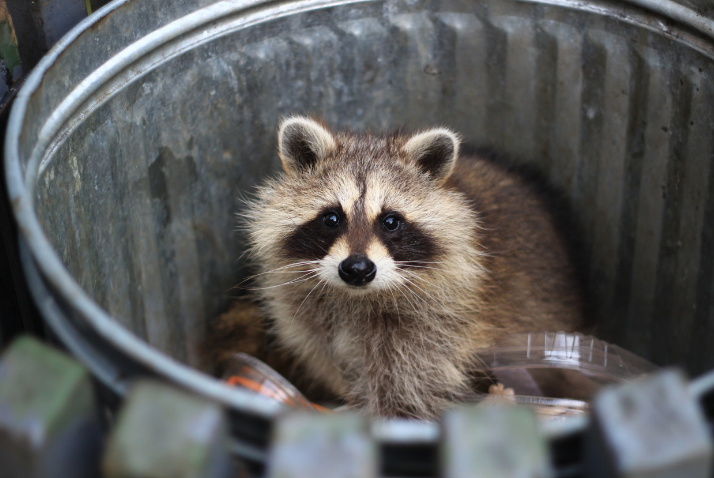

Keeping a residential property in good condition involves more than repairing visible damage. Wildlife can take advantage of small weaknesses around a home, especially when food, shelter, and easy access are available. Raccoons are particularly adaptable and can move between natural areas and residential neighbourhoods without much difficulty. When they find a suitable place to rest or nest, professional raccoon removal may be necessary to protect the property and prevent the situation from worsening.
A raccoon does not need a large opening to gain access to a building. Damaged roof materials, loose vents, gaps around soffits, and other weak areas can provide opportunities for entry. Once inside an attic or another protected space, the animal may disturb insulation, damage materials, and create conditions that require additional cleanup and repairs. Recognising these vulnerabilities early can make a major difference.
What Makes a Property Attractive to Raccoons
Raccoons are opportunistic animals that adapt well to environments where food and shelter are easy to find. Residential properties can provide both, particularly when outdoor areas are not maintained carefully.
Unsecured garbage is one of the most obvious attractions. Food scraps and discarded packaging can encourage raccoons to visit repeatedly. Pet food left outside, birdseed scattered beneath feeders, fallen fruit, and accessible compost can create additional food sources.
Shelter is equally important. Raccoons may investigate attics, crawl spaces, garages, sheds, spaces beneath decks, or other quiet areas. Properties with mature trees can also be easier for them to access because branches may provide a route toward the roof.
Early Signs of a Wildlife Problem
Raccoons are primarily active at night, so homeowners may not see them directly. Instead, unusual sounds or physical evidence may provide the first indication that an animal is nearby.
Common signs include:
- Scratching or movement in attic spaces
- Damage around vents or roof edges
- Displaced insulation
- Droppings near nesting areas
- Torn roofing or exterior materials
- Garbage repeatedly disturbed overnight
A single sign does not always confirm that a raccoon has entered the home. However, several signs appearing together deserve attention, particularly when noises continue over multiple nights.
How Raccoons Can Affect a Home
Wildlife damage can extend beyond the area where an animal is initially discovered. Raccoons may tear insulation while creating a nesting area and can damage vents, roofing components, or other materials while entering and moving through a structure.
Electrical wiring may also be exposed to damage from animal activity. In addition, openings created or enlarged by wildlife can allow rainwater or other animals to enter the building.
There can also be sanitation concerns when wildlife remains inside an enclosed space. Droppings and nesting debris may accumulate in areas that are difficult for homeowners to access safely. For that reason, addressing the problem early is generally preferable to waiting until extensive contamination or structural damage develops.
Why Inspection Matters Before Removal
Removing an animal without identifying how it entered the property can leave the home vulnerable to another intrusion. A raccoon may be gone, but an accessible opening can remain available for the same animal or another species.
A thorough property inspection helps identify likely access points and areas where wildlife may be sheltering. Professional raccoon removal Columbia SC services can combine inspection, safe removal, and exclusion recommendations to address the immediate problem while also reducing the possibility of another intrusion.
This approach is particularly useful when homeowners have experienced repeated wildlife activity. Finding the underlying vulnerability is often just as important as dealing with the animal itself.
Simple Ways to Make a Property Less Appealing
Homeowners can take several practical steps to reduce the conditions that encourage raccoons to remain nearby.
Secure Garbage Properly
Use tightly closed containers and avoid leaving bags of food waste outside where animals can easily reach them. Cleaning bins periodically can also help reduce lingering odors.
Manage Outdoor Food
Pet food should not be left outdoors overnight. Bird feeders should be positioned carefully, and spilt seed should be cleaned regularly.
Maintain Trees and Vegetation
Branches close to the roof can provide wildlife with convenient access. Keeping trees trimmed and vegetation controlled can make the property less accessible.
Check Exterior Openings
Inspect vents, soffits, roofing materials, chimneys, and other exterior areas for damage. Small openings should be repaired before animals have an opportunity to use them.
When Professional Help Is Appropriate
Wildlife problems can become difficult when an animal has already established a nesting area or when access points are difficult to reach. Attempting to handle a raccoon without the appropriate experience can also create unnecessary risks for homeowners and pets.
Professional wildlife specialists can assess the situation, determine the appropriate removal approach, and identify measures that may help prevent future activity. The current services offered by Blythewood Wildlife Removal include humane wildlife removal, inspection, exclusion, and prevention solutions for residential and commercial properties.
Keeping Wildlife Problems Under Control
A secure property is usually the result of consistent maintenance rather than one major repair. Securing food sources, maintaining landscaping, checking vulnerable exterior areas, and responding to unusual wildlife activity can all reduce the chances of a serious problem.
Raccoons are adaptable animals, so eliminating encounters with wildlife is not always realistic. However, homeowners can make their properties less attractive and less accessible by addressing the conditions that encourage animals to stay.
Taking action when the first signs appear can also prevent a minor wildlife concern from turning into extensive damage. With regular property care and professional assistance when necessary, homeowners can protect their living spaces while maintaining a safer and more comfortable environment throughout the year.