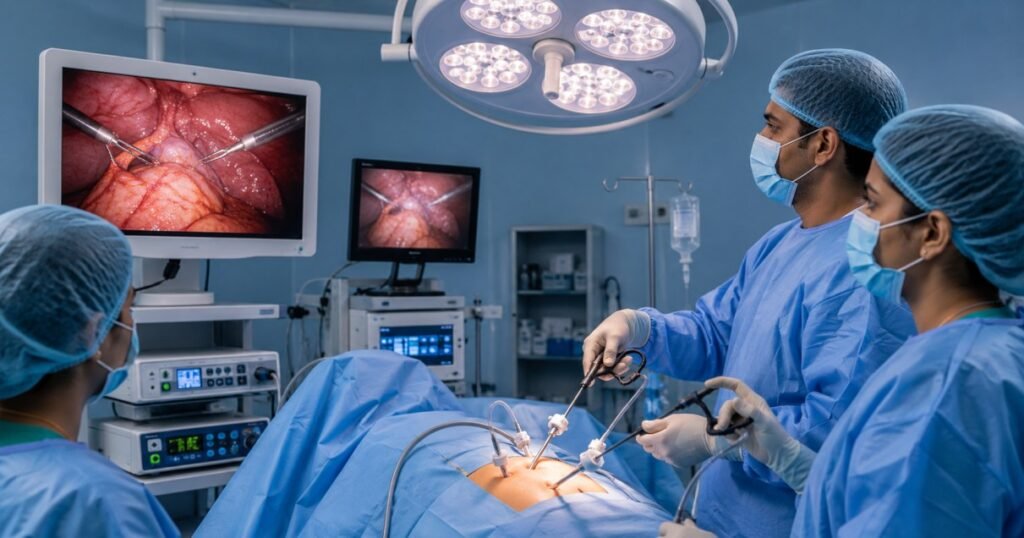

When surgery is recommended, it is natural to have questions about the procedure, recovery, safety, and expected results. Laparoscopic surgery has become a widely used surgical approach because it usually involves smaller incisions and specialized instruments. However, choosing the right treatment and surgical team requires careful consideration. If you are exploring laparoscopic surgery in Surat, asking the right questions can help you understand your options and make a more informed decision.
Here are seven important questions you should ask before choosing laparoscopic surgery.
1. Am I a Suitable Candidate for Laparoscopic Surgery?
The first question to ask your doctor is whether laparoscopic surgery is suitable for your specific medical condition. Not every patient or health condition requires the same surgical approach. Factors such as the type and severity of the condition, previous surgeries, overall health, and possible complications can influence the decision.
Your surgeon should explain why a laparoscopic procedure is recommended and whether other treatment options are available. In some situations, traditional open surgery or non-surgical treatment may be more appropriate.
A proper consultation helps you understand the reasons behind the recommendation rather than simply choosing a procedure based on general information. At Vivanta Kidney Hospital, patients can discuss their medical concerns and understand the available treatment approach based on their individual condition.
2. What Experience Does the Surgeon Have With This Procedure?
Experience is an important factor when choosing any surgical procedure. You can ask the surgeon about their experience with laparoscopic techniques and the specific type of surgery you may need.
Different laparoscopic procedures require different levels of expertise. A surgeon may regularly perform certain procedures but have less experience with others. Therefore, it is reasonable to ask questions such as:
-
How often do you perform this procedure?
-
What type of laparoscopic surgeries do you commonly handle?
-
What challenges can arise during this surgery?
-
What happens if the procedure needs to be converted to open surgery?
Clear answers can help you better understand the surgeon’s experience and approach. When looking for laparoscopic surgery in Surat, focusing on professional expertise and proper communication can be more useful than making a decision based only on cost or advertisements.
3. What Are the Benefits and Possible Risks?
Laparoscopic surgery may offer several benefits compared with some traditional open procedures. Depending on the condition and procedure, smaller incisions may be associated with less visible scarring, shorter hospital stays, and a quicker return to normal activities.
However, every surgery also has potential risks. These can vary depending on the patient’s health, the type of procedure, and other medical factors. Possible concerns may include bleeding, infection, reactions to anesthesia, or complications related to the specific surgery.
Ask your doctor to explain both the advantages and limitations clearly. Understanding the possible risks does not mean you should avoid surgery; it helps you prepare properly and make an informed choice.
4. What Tests or Preparations Will I Need Before Surgery?
Preparation can play an important role in a smooth surgical process. Before the procedure, your doctor may recommend blood tests, imaging studies, physical examinations, or other assessments.
You should also ask whether you need to make changes to your regular medicines. Some medicines may require special instructions before surgery, but patients should never stop prescribed medication without consulting their doctor.
Other useful questions include:
-
Should I avoid food or drinks before surgery?
-
When should I arrive at the hospital?
-
What should I bring with me?
-
Will I need someone to accompany me home?
-
How long might I need to stay in the hospital?
Knowing these details in advance can reduce unnecessary stress on the day of surgery.
5. How Long Will Recovery Take?
Recovery time is different for every patient. It can depend on the type of surgery, the complexity of the procedure, age, general health, and how well the body heals.
Ask your surgeon what you can realistically expect during recovery. Find out when you may be able to walk, return to work, drive, exercise, and resume your regular daily activities.
It is also important to understand how to care for the incision sites and what type of discomfort may occur after surgery. Your doctor can provide specific guidance regarding diet, physical activity, medication, and follow-up appointments.
Choosing laparoscopic surgery in Surat should involve considering the complete treatment journey, including recovery and post-operative care, rather than focusing only on the surgery itself.
6. What Type of Technology and Hospital Support Is Available?
Modern laparoscopic procedures depend on specialized surgical equipment and a trained medical team. Before choosing a hospital, you can ask about the facilities available for your procedure and the support provided before, during, and after surgery.
A well-organized healthcare setting should provide appropriate surgical facilities, anesthesia support, nursing care, diagnostic services, and post-operative monitoring. These elements can contribute to better coordination throughout the treatment process.
At Vivanta Kidney Hospital, patients can seek guidance regarding surgical evaluation, treatment planning, and post-operative care. Discussing the available facilities and support services with the healthcare team can help patients and families feel better prepared.
7. What Will the Total Treatment Process and Cost Include?
Before making a final decision, ask for a clear understanding of the overall treatment plan and expected expenses. Surgical costs can involve more than the procedure itself. Depending on the situation, expenses may include consultations, diagnostic tests, hospital admission, anesthesia, surgery, medicines, and follow-up care.
You should ask whether the estimated cost includes all major parts of the treatment or whether there could be additional charges. If you have health insurance, check whether the procedure and hospital services are covered according to your policy.
A transparent discussion about the treatment plan and costs can help you plan better and avoid confusion later.
Final Thoughts
Choosing surgery is an important healthcare decision, and asking questions is a valuable part of the process. Understanding your suitability, the surgeon’s experience, possible benefits and risks, preparation requirements, recovery, hospital support, and treatment costs can help you feel more confident about the next step.
If you are considering laparoscopic surgery in Surat, take time to consult a qualified healthcare professional and discuss your condition in detail. Every patient is different, so the most suitable treatment approach should be based on individual medical needs. Vivanta Kidney Hospital focuses on helping patients understand their treatment options and the care process so they can approach surgical decisions with better awareness and confidence.