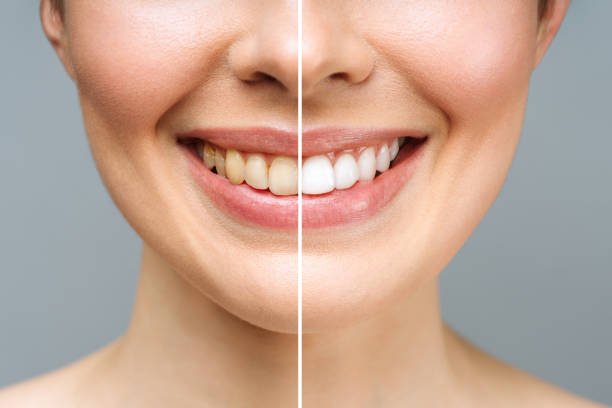

Years of drinking coffee, tea, consuming strongly colored foods, using tobacco products, or simply getting older can gradually change the color of your teeth. Over time, stains may become more noticeable and can make the smile appear dull or yellow. This often leads people to wonder whether professional teeth whitening can remove stains that have accumulated over many years.
In many cases, professional whitening can significantly reduce long-standing tooth discoloration and create a noticeably brighter smile. However, the result depends on the type of stain, how deeply it has developed, the condition of the teeth, and the whitening method used. Some discoloration responds very well to bleaching, while deeper or non-bleachable stains may require alternative cosmetic treatments.
Why Do Tooth Stains Build Up Over the Years?
Tooth discoloration can develop gradually for several reasons. Some stains form on the outer surface of the teeth, while others develop within the tooth structure itself.
Extrinsic stains are commonly associated with beverages such as coffee, tea, and certain soft drinks, as well as foods containing strong pigments. Tobacco use can also contribute to persistent surface staining. When these substances are consumed repeatedly, pigment molecules can accumulate on the enamel and make the teeth look darker, which may lead some people to consider Teeth Whitening in Riyadh for a brighter smile.
Intrinsic discoloration develops inside the tooth. Aging can contribute to this type of change because enamel gradually becomes thinner, allowing the naturally darker dentin underneath to become more visible. Certain medications, dental trauma, and developmental factors can also cause internal discoloration.
The distinction matters because professional whitening generally works more predictably on some types of stains than others.
Can Professional Whitening Remove Old Surface Stains?
Yes, professional whitening can often reduce significant surface discoloration. Whitening products contain bleaching ingredients that penetrate the tooth and break down stain molecules, making them less visible.
When stains have developed gradually from coffee, tea, food, or tobacco exposure, professional treatment may produce a substantial improvement. The result can be more noticeable than what is typically achieved with ordinary whitening toothpaste because professional treatments use carefully controlled formulations and are applied under dental supervision.
However, the age of a stain does not automatically determine whether it can be removed. A stain that has been present for many years may still respond well if it is primarily an extrinsic stain.
What About Deep or Intrinsic Stains?
Deep discoloration can be more challenging. If the color change originates within the tooth rather than only on the surface, whitening may improve the appearance but may not completely eliminate the discoloration.
For example, some teeth may have darkened because of trauma or certain medications. In other cases, the natural aging process changes the appearance of the tooth over time.
If conventional whitening does not provide the desired result, a dentist may discuss alternatives such as dental bonding, veneers, or other cosmetic procedures. The appropriate option depends on the cause of the discoloration and the condition of the tooth.
Does Professional Cleaning Help Before Whitening?
A professional dental cleaning can be useful when plaque, tartar, or surface deposits contribute to the appearance of stained teeth. Cleaning removes buildup that ordinary brushing may not eliminate.
However, cleaning and whitening are different treatments. Cleaning removes deposits and some external staining, while whitening changes the underlying color of natural teeth through a bleaching process.
Your dentist may recommend cleaning before whitening if significant buildup is present. This can create a cleaner surface and allow the dentist to evaluate the natural shade of your teeth more accurately.
How Quickly Can Old Stains Improve?
Professional whitening can produce noticeable improvement during or shortly after treatment, but the exact result varies. Some patients see a significant change after one appointment, while others may require a different treatment plan depending on the severity and type of discoloration.
The final appearance can also take some time to stabilize after treatment. Immediately after whitening, teeth can temporarily appear lighter because of changes in enamel hydration. As the teeth rehydrate naturally, the shade may settle slightly.
For this reason, the shade immediately after treatment should not always be considered the final result.
Why Do Some Teeth Whiten Better Than Others?
Natural teeth do not always respond uniformly to whitening. Variations in enamel thickness, dentin color, previous dental treatment, and the type of staining can influence the outcome.
A tooth with mild yellow surface discoloration may respond very well, while another tooth with deeper intrinsic discoloration may remain darker.
Dental restorations can create another challenge. Crowns, veneers, bridges, and tooth-colored fillings do not whiten in the same way as natural tooth enamel. If restorations are visible when you smile, your dentist needs to consider their color when planning treatment.
Is Professional Whitening Better for Long-Standing Stains?
Professional whitening can be a useful option for patients with persistent stains because the treatment is customized and performed under dental supervision.
Before treatment, the dentist can determine whether the discoloration is likely to respond to bleaching. The dentist can also assess gum health, cavities, enamel condition, and existing restorations.
This evaluation helps prevent patients from spending time and money on whitening when another cosmetic treatment may be more appropriate.
Can You Whiten Teeth That Are Sensitive?
Tooth sensitivity is a common concern among people considering whitening. Some patients experience temporary sensitivity during or after treatment, particularly if they already have sensitive teeth.
Your dentist can take sensitivity into account when selecting the treatment approach. The whitening process may be adjusted when necessary, and your dentist may recommend products or strategies to improve comfort.
Patients should always mention previous sensitivity before treatment. This allows the dental professional to plan appropriately rather than assuming that everyone can tolerate the same whitening protocol.
How Can You Prevent Old Stains From Returning?
Whitening does not permanently prevent new discoloration. Teeth remain exposed to foods, beverages, tobacco, aging, and other factors after treatment.
Maintaining good oral hygiene can help reduce surface staining. Regular brushing, cleaning between the teeth, and professional dental checkups can help keep the teeth clean.
Reducing frequent exposure to strongly pigmented beverages and foods may also help preserve a brighter appearance. If you drink coffee or tea regularly, your dentist can provide practical advice for minimizing their effect on your smile.
When Should You Consider an Alternative Treatment?
If your stains are caused by intrinsic discoloration, severe enamel changes, or other conditions that do not respond adequately to bleaching, repeating whitening treatments may not provide the improvement you want.
In these situations, a dentist may recommend a cosmetic alternative. Veneers, bonding, or other treatments can sometimes change the appearance of teeth that do not respond well to conventional whitening.
The right solution depends on the individual tooth and the reason for its discoloration. A professional examination is therefore more useful than simply increasing the frequency or strength of whitening treatments.
What Should You Expect From Teeth Whitening in Riyadh?
If you are considering Teeth Whitening in Riyadh, the first step should be a dental evaluation rather than immediately choosing a whitening product.
Your dentist can identify the type of staining, check your oral health, evaluate existing restorations, and discuss the level of whitening that may realistically be achieved. This helps create a treatment plan based on your teeth rather than relying on general promises about removing years of stains.
Professional treatment can often make a significant difference, particularly when discoloration is caused by accumulated surface stains. However, realistic expectations are important because no whitening treatment can guarantee that every type of discoloration will disappear completely.
Conclusion
Professional teeth whitening can remove or significantly reduce many long-standing tooth stains, particularly those caused by coffee, tea, tobacco, and other external sources. However, deeper intrinsic discoloration may respond less predictably and could require an alternative cosmetic treatment.
The number of years a stain has been present is not the only factor that matters. Its cause, depth, tooth condition, existing dental restorations, and individual response to whitening all influence the final result.
If your teeth have become noticeably stained over the years, a dental examination can determine whether whitening is likely to provide the improvement you want. With the right treatment approach and appropriate expectations, professional whitening can help restore a brighter and more confident-looking smile.