

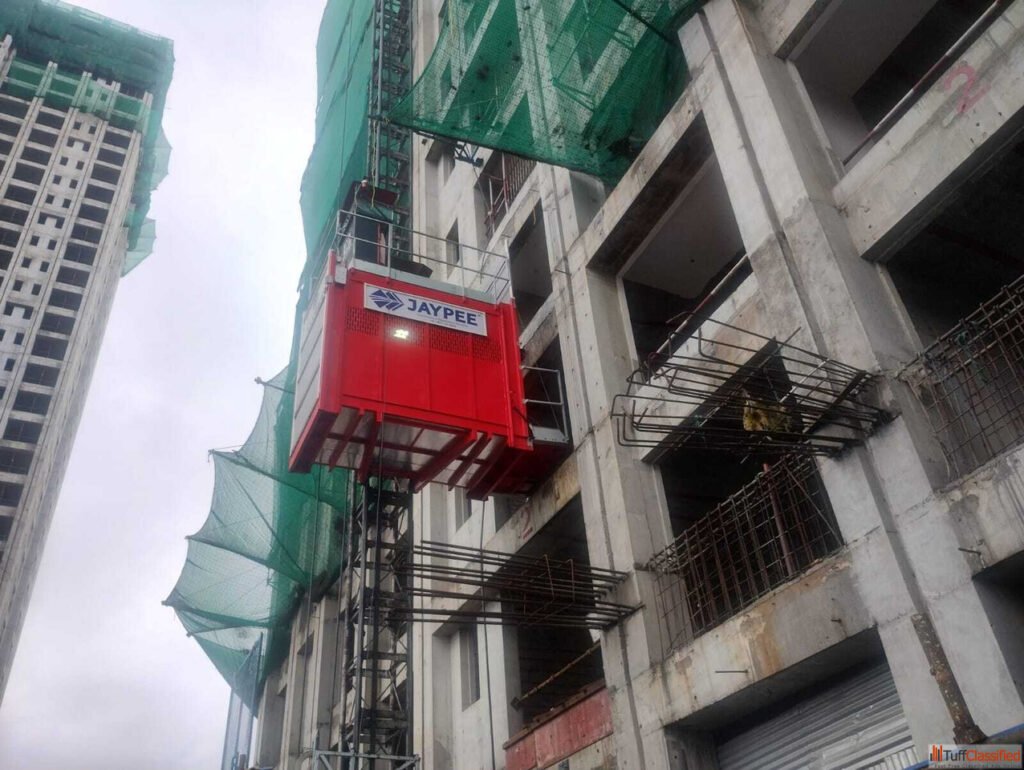

Modern construction projects demand speed, safety, and efficiency. As buildings continue to rise taller, moving workers and materials between floors becomes a major challenge. This is where a passenger hoist plays a critical role on construction sites.
A passenger hoist is a temporary vertical transportation system designed specifically for carrying workers, tools, and light construction materials safely across multiple floors during a project. Unlike traditional elevators, passenger hoists are modular, easy to install, and built for rugged site conditions. According to PassengerHoist.com, modern rack-and-pinion hoists can lift up to 2,000 kg and reach heights of 450 meters while maintaining high operational safety standards.
Why Passenger Hoists Are Essential on Construction Sites
Construction sites involve constant vertical movement. Workers repeatedly climbing staircases not only wastes time but also increases fatigue and accident risks. Passenger hoists solve these issues by providing fast and secure transportation.
Key advantages include the following:
- Faster worker movement between floors
- Reduced labor fatigue
- Improved project productivity
- Better compliance with construction safety regulations
- Efficient transportation of tools and equipment
- Reduced downtime during peak work hours
Industry reports show that high-speed construction hoists can significantly reduce inter-floor transit time on high-rise projects.
How Passenger Hoists Work
Most construction passenger hoists use a rack-and-pinion mechanism. A motor-driven pinion gear travels along a fixed steel rack mounted on mast sections. This system provides stable and controlled vertical movement even in demanding weather and construction conditions.
Advanced passenger hoists now include:
- Variable Frequency Drive (VFD) systems
- PLC-based safety automation
- Emergency braking systems
- Door interlock protection
- Overload sensors
- Fingerprint access control
These features help improve operational reliability and worker safety on large-scale projects.
Passenger Hoist vs Material Hoist
Many project managers confuse passenger hoists with material hoists. However, both serve different purposes.
A passenger hoist is certified for carrying workers safely, featuring enclosed cabins, anti-slip flooring, and advanced safety systems. A material hoist, on the other hand, is designed only for lifting construction materials and should never be used for transporting personnel.
Choosing the correct hoisting system is essential for maintaining site safety and meeting compliance requirements.
Applications of Passenger Hoists
Passenger hoists are widely used across various industries, including:
- High-rise residential towers
- Commercial construction projects
- Metro rail and infrastructure projects
- Industrial plants and refineries
- Bridge and chimney construction
- Large mixed-use developments
Their modular design allows contractors to extend mast sections as the building height increases, making them ideal for evolving construction environments.
Choosing the Right Passenger Hoist
Before selecting a passenger hoist, contractors should consider:
- Load capacity requirements
- Maximum lifting height
- Site conditions
- Worker traffic volume
- Safety certifications
- Single or twin cage configurations
- Maintenance and after-sales support
Reliable manufacturers provide customized solutions depending on project scale and operational needs.
Final Thoughts
Passenger hoists have become an indispensable part of modern construction. They improve efficiency, enhance worker safety, and help large projects stay on schedule. Whether for residential towers, infrastructure developments, or industrial projects, investing in the right passenger hoist solution can make a significant difference in construction productivity.
For advanced rack-and-pinion construction hoist solutions, visit Passenger Hoist Solutions.