
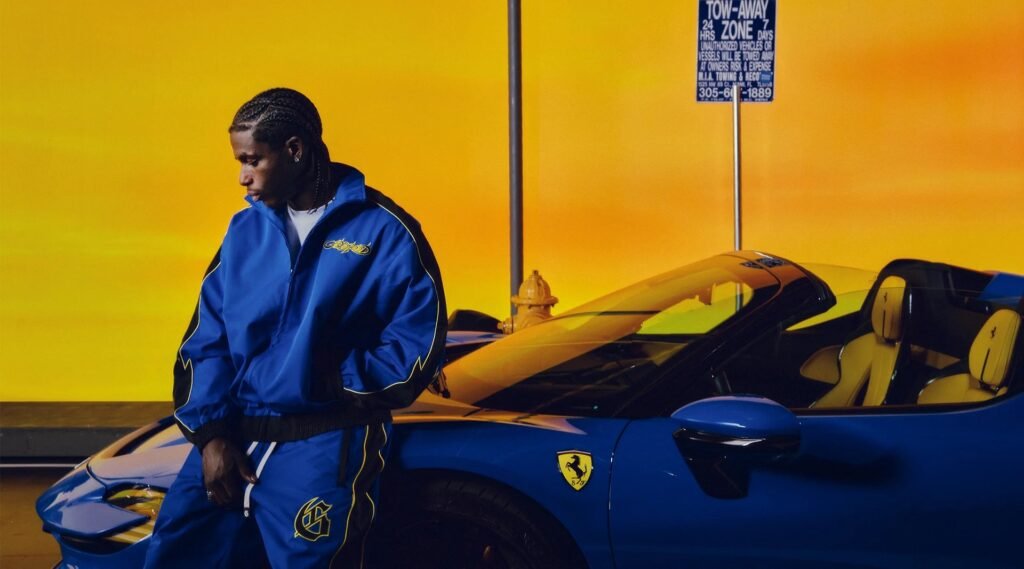

Walk through any major city right now and the silhouette you see most often is not slim or tailored. It is boxy, dropped at the shoulder, and noticeably looser than what fashion considered standard a decade ago. What started as a niche aesthetic tied to skate culture and early 2000s hip hop has quietly become the default shape for an entire category of clothing. The interesting part is not that oversized fits became popular. It is why they stuck around long after most trends would have faded.
A Trend That Refused to Cycle Out
Fashion trends typically follow a predictable arc. Something niche gets picked up by a few visible figures, it spreads, it peaks, and within a few seasons it gets replaced by a reaction against it. Skinny jeans gave way to wide leg. Logo mania gave way to quiet luxury. The boxy, oversized silhouette has not followed that pattern. If anything, it has only gotten more entrenched since the early 2020s, expanding from hoodies and tees into shorts, outerwear, and even tailored pieces reimagined with extra room.
Part of the explanation is comfort, which is the obvious answer and not a wrong one. But comfort alone does not explain why brands keep building entire identities around this shape instead of treating it as one option among many. The deeper answer has to do with how the fit interacts with fabric, and that is where things get more interesting than a simple comfort argument.
The Fabric Problem Nobody Talks About
A boxy silhouette only works as intended when the fabric underneath it has enough structure to hold its own shape. A thin, lightweight cotton tee cut oversized does not look intentional, it looks like a shirt that is simply too big. This is the detail that separates well-executed oversized streetwear from pieces that just look sloppy.
Heavyweight cotton, generally anything above 220gsm for tees and shirts, behaves differently on the body. It drapes rather than clings, holds creases in a way that looks deliberate, and does not collapse into a shapeless mass the way thinner fabric does when cut loose. This is why so much of the current wave of streetwear brands leans so heavily on fabric weight as a selling point. It is not a marketing gimmick. It is the actual mechanical reason the silhouette works.
Hoodies follow the same logic at a heavier scale, typically landing between 350 and 400gsm. At that weight, a dropped shoulder and boxy body create structure rather than bulk. The hood sits properly, the body doesn’t sag forward, and the overall shape reads as designed rather than oversized by accident.
Garment Dyeing and the Rise of the “Already Broken In” Look
Alongside the fit shift, there has been a parallel shift in how color gets applied to these heavier fabrics. Traditional dyeing happens before a garment is constructed, at the fabric or yarn stage. Garment dyeing reverses that order, dyeing the finished, sewn product after it is built.
The result is a noticeably different finish. Color settles unevenly into seams, stitching, and high wear areas, creating a softer, slightly faded look right out of the package instead of after months of washing. It is also why many of these heavier garment-dyed pieces feel different to the touch compared to standard dyed cotton. The process is more expensive and takes longer, which is part of why it has become something of a quality signal in its own right. Brands willing to absorb that extra cost and time tend to be the ones building toward longevity rather than chasing a single season’s trend cycle.
Minimal Branding as a Structural Choice, Not Just an Aesthetic One
There is a reason the current wave of heavyweight, oversized streetwear tends to favor small, quiet branding over large chest logos. When the fabric weight and the cut are doing real visual work, a loud logo competes with the garment instead of complementing it. Strip the branding back and the construction itself becomes the focal point.
This shows up clearly in how some of the more fabric-focused labels approach design. A streetwear brand like Godspeed Clothing, built around heavyweight cotton and garment-dyed finishes rather than graphic-heavy branding, reflects this shift directly: the weight of the fabric and the precision of the dye process are positioned as the actual product, with logos reduced to a detail rather than a focal point.
Why This Probably Is Not a Passing Phase
Trends rooted purely in aesthetics tend to be fragile because aesthetics shift quickly and arbitrarily. What is happening with oversized, heavyweight streetwear looks different because it is rooted in something more durable: actual construction quality. A 400gsm garment-dyed hoodie is not just stylistically different from a 180gsm screen-printed one, it is functionally different. It wears differently, ages differently, and holds up to repeated washing in a way the lighter piece simply cannot.
That functional difference is also why this category of clothing has increasingly moved away from fast fashion’s usual playbook of high volume, low cost, and rapid turnover. Producing heavyweight, garment-dyed pieces at scale is slower and more expensive, which naturally pushes brands toward smaller batch releases rather than constant overproduction. Limited drops were originally a hype mechanic borrowed from sneaker culture, but for fabric-driven streetwear brands, they have become something closer to a practical necessity dictated by the production process itself.
What to Actually Look For
For anyone trying to figure out whether a piece is built around substance or just riding a silhouette trend, a few practical checks help. Look for the GSM if it is listed anywhere on the product page. Check whether the description mentions garment dyeing specifically, as opposed to generic “dyed” language that could mean anything. And pay attention to where the branding sits. Pieces that lead with fabric specifications and construction details tend to be the ones built to survive past a single trend cycle, while pieces that lead entirely with graphics and logos are more often chasing a moment rather than building toward longevity.
The boxy, oversized look is not going anywhere in the near future, but the brands that will still matter in five years are likely the ones treating the silhouette as a byproduct of good construction rather than the entire point. You can browse examples of this construction-first approach directly at the Godspeed Shirt collection, where the heavyweight cotton and garment-dye process described above are applied across the current lineup.