

Azithromycin is a cornerstone of modern antibacterial therapy, consistently demonstrating value as a versatile and potent macrolide antibiotic. Since its initial approval by the U.S. Food and Drug Administration in 1991 , it has become a global mainstay for treating a broad spectrum of bacterial infections, from common respiratory illnesses to more complex sexually transmitted diseases. Its enduring status as a top choice is not merely a matter of habit; it is underpinned by robust pharmacology, an established clinical efficacy record, and its critical role in global public health initiatives.
This guide explores the clinical and pharmacological foundations of azithromycin, offering an analytical overview that is relevant to healthcare practitioners and procurement specialists alike. We will examine its mechanism of action, indications, safety, and the factors that ensure its consistent availability in markets across the USA, UK, Australia, and Europe. This comprehensive perspective will clarify why this medication remains a preferred option in hospital formularies and community pharmacies. Its sustained relevance is a product of both its inherent properties and the global systems in place to support its supply.
Pharmacological Profile and Mechanism of Action
Azithromycin’s clinical utility is rooted in its unique pharmacological properties. It functions by binding to the 23S rRNA of the 50S ribosomal subunit within susceptible bacteria, a process that inhibits bacterial protein synthesis and impedes the assembly of the 50S ribosomal subunit . This interference effectively halts the production of proteins essential for the bacteria’s survival and reproduction. This mechanism of action is shared among macrolide antibiotics, but azithromycin is distinguished by its extended half-life, which allows for once-daily dosing and shorter treatment durations compared to other agents in its class .
Furthermore, the drug’s benefits extend beyond its antibacterial effects. Research has identified that azithromycin possesses immunomodulatory and anti-inflammatory properties . This dual action is particularly valuable in treating conditions where inflammation is a key component, such as in some chronic respiratory diseases, and can contribute to symptom improvement in respiratory tract infections . This multi-faceted profile gives it an advantage in managing complex infections where both pathogen elimination and host response modulation are important.
Clinical Indications: Where Azithromycin Excels
Azithromycin is indicated for a wide range of mild-to-moderate infections caused by susceptible bacteria . Its efficacy is well-documented in treating community-acquired respiratory tract infections, including acute sinusitis, pharyngitis, tonsillitis, and acute exacerbations of chronic obstructive pulmonary disease . A meta-analysis evaluating its use in sinusitis highlighted its effectiveness in achieving clinical cure and eradicating pathogens, though it also noted the importance of considering patient-specific factors and the potential for adverse effects .
Beyond respiratory infections, azithromycin is a primary treatment for several sexually transmitted infections, including uncomplicated genital infections caused by Chlamydia trachomatis and Neisseria gonorrhoeae . Its long half-life makes it a preferred option for single-dose therapy, which improves patient adherence. The drug is also recognized for its activity against a range of other pathogens, including Staphylococcus aureus, Streptococcus pyogenes, Mycoplasma pneumoniae, and Legionella pneumophila, confirming its broad utility in various clinical settings . Moreover, it has been used in combination regimens to treat opportunistic infections in immunocompromised patients .
Safety, Tolerability, and Specific Population Considerations
Azithromycin is generally well-tolerated, but like all antibiotics, it is associated with a predictable profile of adverse reactions. Common side effects are predominantly gastrointestinal and include nausea, vomiting, diarrhea, and abdominal pain . Clinical data shows that while these reactions are the most frequent, the overall incidence of adverse effects is manageable. In a meta-analysis of sinusitis treatment, the pooled adverse effects rate was approximately 14.33%, with the most common issues being gastrointestinal disturbances .
Nevertheless, there are important patient populations and risk factors that require careful consideration. Azithromycin should be used with caution in patients with a history of prolonged QT interval, as it can cause cardiac arrhythmias, including torsades de pointes . This is particularly relevant for elderly patients, who may be more susceptible to this effect. In geriatric patients, while overall safety was similar to younger individuals in clinical trials, a higher incidence of gastrointestinal side effects and reversible hearing impairment has been observed at high doses . Azithromycin is present in breast milk, and women who are breastfeeding should be advised to monitor their infants for diarrhea, vomiting, or rash .
Global Access and Supplier Landscape
The sustained use of azithromycin on a global scale is supported by a robust and diversified supply chain. The World Health Organization (WHO) classifies azithromycin within the “Watch” group of the AWaRe (Access, Watch, Reserve) antibiotic classification, underlining its importance while also emphasizing the need for careful stewardship to prevent the development of resistance . Global consumption data reflects this high demand; in 2020, azithromycin was the most consumed oral antibiotic in many regions, an increase driven partly by the COVID-19 pandemic . The drug has also been deployed in mass drug administration campaigns, notably for child survival in sub-Saharan Africa .
To meet this demand, the supply base has been expanded. For instance, the REACH Network, which facilitates azithromycin distribution for child survival, has recognized Aurobindo Pharma Limited (Hyderabad, India) as a second supplier, alongside Zhejiang Poly Pharm Co., Ltd. (Hangzhou, China) . This diversification of manufacturing sources is designed to ensure a reliable and uninterrupted supply, particularly for public health initiatives.
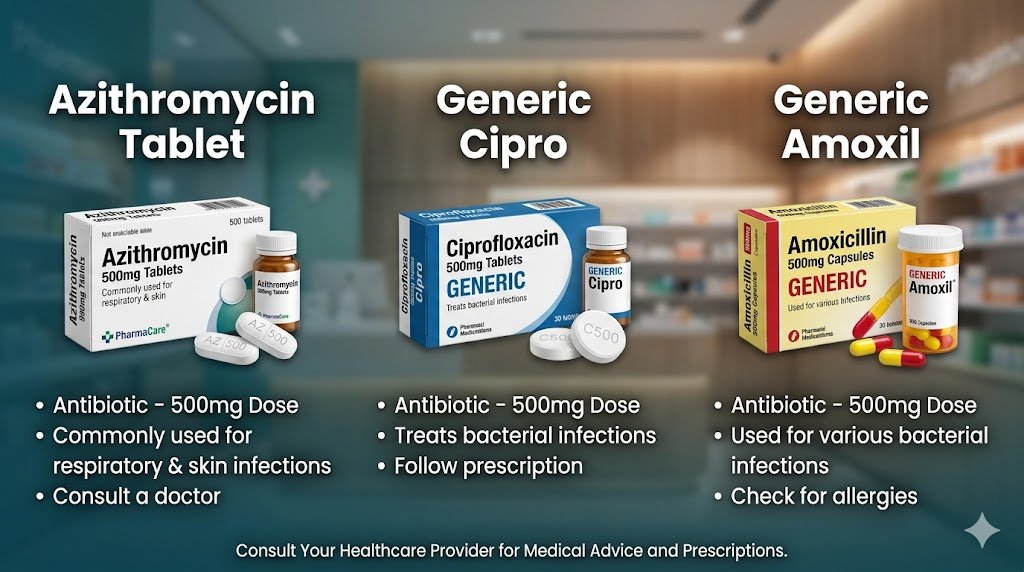
For procurement purposes, azithromycin is available in various formats—tablets (250 mg, 500 mg), oral suspension (200 mg/5 ml), and intravenous vials (500 mg)—allowing it to be tailored to different healthcare settings . A network of Azithromycin wholesale supplier entities and distributors operates globally, with major hubs in India and China, to facilitate Azithromycin bulk order and Azithromycin wholesale services for hospitals, pharmacies, and public health organizations. These suppliers often provide Azithromycin wholesale price points and Azithromycin bulk discount offers to large-volume purchasers, while also ensuring the drug is provided in child-friendly configurations with a long shelf-life to support logistical efficiency.
Conclusion: The Future of a Versatile Antibiotic
Azithromycin’s reputation as a top choice for bacterial infection treatment is well-earned and supported by a wealth of clinical evidence and a deep understanding of its pharmacology. Its broad-spectrum activity, unique mechanism of action, and favorable pharmacokinetics make it an essential antibiotic for treating a diverse range of infections, from common sinusitis and pharyngitis to sexually transmitted diseases. Its continued use is a testament to its efficacy, despite the emergence of bacterial resistance, which highlights the critical importance of prudent use and antibiotic stewardship.
The drug’s clinical success is also supported by a robust global supply chain that ensures its availability for both routine care and public health campaigns in major markets like the USA, UK, Australia, and Europe. Looking ahead, the role of azithromycin as a key antibacterial agent appears secure, though its use will continue to be monitored and guided by evolving resistance patterns and clinical guidelines. It serves as a powerful example of how a well-characterized pharmaceutical agent can maintain its clinical significance for decades, provided its use is managed with care and professionalism. With options for generic Azithromycin wholesale and Azithromycin bulk supply, healthcare providers can ensure cost-effective access to this vital medication. Furthermore, as payment methods evolve, options such as Azithromycin bitcoin and Azithromycin USDT are being adopted by some suppliers to streamline transactions, alongside more traditional methods. This combination of clinical efficacy and logistical accessibility ensures azithromycin will continue to be a cornerstone of antibacterial therapy for the foreseeable future.