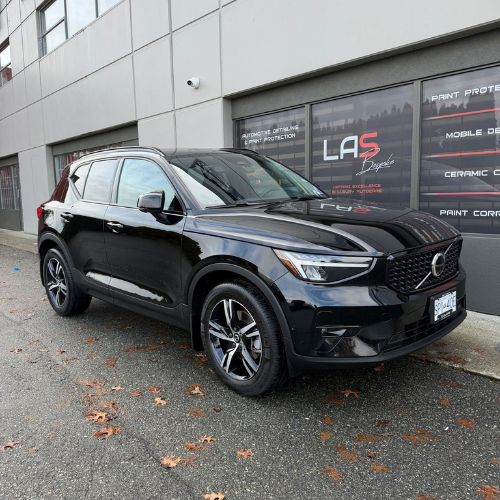

Why Lower Panels Collect So Much Grime
Lower panels take the brunt of everything the road throws upward. Rainwater mixes with oil residue, brake dust, asphalt particles, and mud. Add winter salt or construction debris into the mix, and the buildup becomes surprisingly stubborn.
One thing many people overlook is how heat affects grime. After driving, warm lower panels cause contaminants to stick more firmly. That’s why quick gas-station rinses often leave behind a grey or brown film even after the car looks “washed.”
In my experience, one of the most common mistakes people make is attacking the grime with a stiff brush. It might seem effective in the moment, but that’s often how swirl marks and fine scratches start appearing along the lower body lines.
Start With a Thorough Pre-Rinse
Before touching the paint, rinse the lower panels thoroughly with water.
A pressure washer helps, but a standard hose with decent water pressure can still work well. The goal here isn’t perfect cleaning yet. You’re simply loosening heavy debris so you don’t drag abrasive particles across the paint later.
Focus on:
- Rocker panels
- Wheel wells
- Behind mud flaps
- Lower bumpers
- Door bottoms
Pay extra attention to seams and edges where grime tends to accumulate unnoticed.
An insider tip many detailers follow: spray the lower sections first and let them soak while you prepare the rest of your wash tools. Giving water a few minutes to soften dried contaminants makes the next steps significantly easier.
Use a Dedicated Traffic Film Remover
Road grime responds much better to specialized cleaners than regular car shampoo alone.
A traffic film remover (TFR) or citrus-based pre-wash is designed specifically to break down oily road contamination. Spray it generously onto the lower panels and allow it to dwell for a few minutes without drying.
You’ll often notice brown streaks beginning to run downward almost immediately. That’s the product dissolving embedded grime.
Avoid applying these cleaners on hot paint or under direct sunlight. Heat causes chemicals to evaporate too quickly, reducing effectiveness and sometimes leaving residue behind.
For heavily contaminated vehicles, a second application may be necessary.
Wash Using the Two-Bucket Method
Once the grime has softened, wash the panels gently using a microfiber wash mitt.
The two-bucket method remains one of the safest approaches:
- One bucket for clean soap water
- One bucket for rinsing the mitt
This prevents dirt from being reintroduced onto the paint.
Work from top to bottom, saving the dirtiest lower sections for last. That reduces the risk of transferring abrasive debris to cleaner areas higher on the vehicle.
One overlooked detail: use separate wash tools for lower panels if possible. Professional detailers often keep a dedicated mitt specifically for rocker panels and wheel areas because those sections hold the harshest contamination.
Tar Spots Need Separate Treatment
Sometimes road grime isn’t just grime.
Tiny black specks along lower panels are usually tar or asphalt particles. Standard soap rarely removes them completely.
Use a dedicated tar remover and apply it directly to affected areas. Let it sit briefly before wiping gently with a microfiber towel.
You don’t need aggressive pressure. In fact, forcing tar off mechanically usually causes more harm than the tar itself.
A practical trick professionals use is checking the paint with their fingertips inside a thin plastic bag. If the surface still feels rough after washing, bonded contamination is probably still present.
Decontaminate With a Clay Bar
After washing, the lower panels may still feel gritty. That’s where clay barring helps.
A clay bar removes bonded contaminants embedded into the paint surface. Lubricate the panel properly with clay lubricant or detailing spray, then glide the clay gently across the surface.
You’ll feel resistance at first. As contaminants lift away, the paint becomes noticeably smoother.
Lower panels often need more clay work than upper sections because they collect the heaviest contamination over time.
Don’t rush this step. Slow, light passes work better than forceful movements.
Pay Attention to Hidden Areas
One thing experienced detailers notice immediately is whether hidden areas were ignored.
Road grime builds heavily:
- Behind wheel arches
- Around side skirts
- Under door edges
- Inside lower bumper creases
These spots are easy to miss during routine washes, yet they hold moisture and contamination longer than visible surfaces.
Using small detailing brushes or microfiber applicators helps reach tight spaces safely.
According to detailing professionals in Surrey, many long-term paint issues begin in areas owners rarely inspect. Resources like auto detailing abbotsford often emphasize thorough lower-panel cleaning because neglected buildup can eventually damage both paint and protective coatings.
Dry Properly to Prevent Streaking
Drying matters more than many people realize.
When lower panels are left wet, leftover contaminants can create streaks as water evaporates. Use clean microfiber drying towels or forced air to remove trapped water from seams and trim edges.
Compressed air or a small blower works especially well around badges and lower trim where water tends to drip later.
Another small insider tip: lightly misting a drying aid or quick detailer onto lower panels during drying helps reduce towel friction and restores gloss after decontamination.
Protect the Panels After Cleaning
Once the paint is fully clean, protecting it makes future grime removal much easier.
Even a simple spray sealant creates a slick barrier that prevents contaminants from bonding as aggressively.
Ceramic coatings offer longer-term protection, but regular sealants or waxes still make a noticeable difference for daily drivers.
You’ll usually notice:
- Easier future washes
- Reduced tar adhesion
- Less staining from road salt
- Improved water behavior
Protection is especially useful during rainy seasons or winter driving conditions where contamination builds rapidly.
How Often Should Lower Panels Be Cleaned?
That depends heavily on driving conditions.
Vehicles driven daily through rain, construction zones, or salted roads may need attention every couple of weeks. Cars used mostly in dry weather accumulate grime much more slowly.
A quick visual check helps:
- Brown staining near rocker panels
- Rough texture after washing
- Black speckling behind wheels
- Dull appearance along lower doors
These are all signs it’s time for a deeper cleaning process.
Waiting too long allows contaminants to harden and bond more aggressively, making removal far more difficult later.
Final Thoughts
Removing road grime from lower panels is less about scrubbing harder and more about working smarter. Proper pre-rinsing, chemical cleaning, gentle washing, and paint decontamination all play a role in keeping those areas clean without damaging the finish.
The lower sections of a vehicle endure some of the harshest conditions on the road, so they naturally require extra attention. But with the right process, even heavily soiled panels can usually be restored safely and effectively.