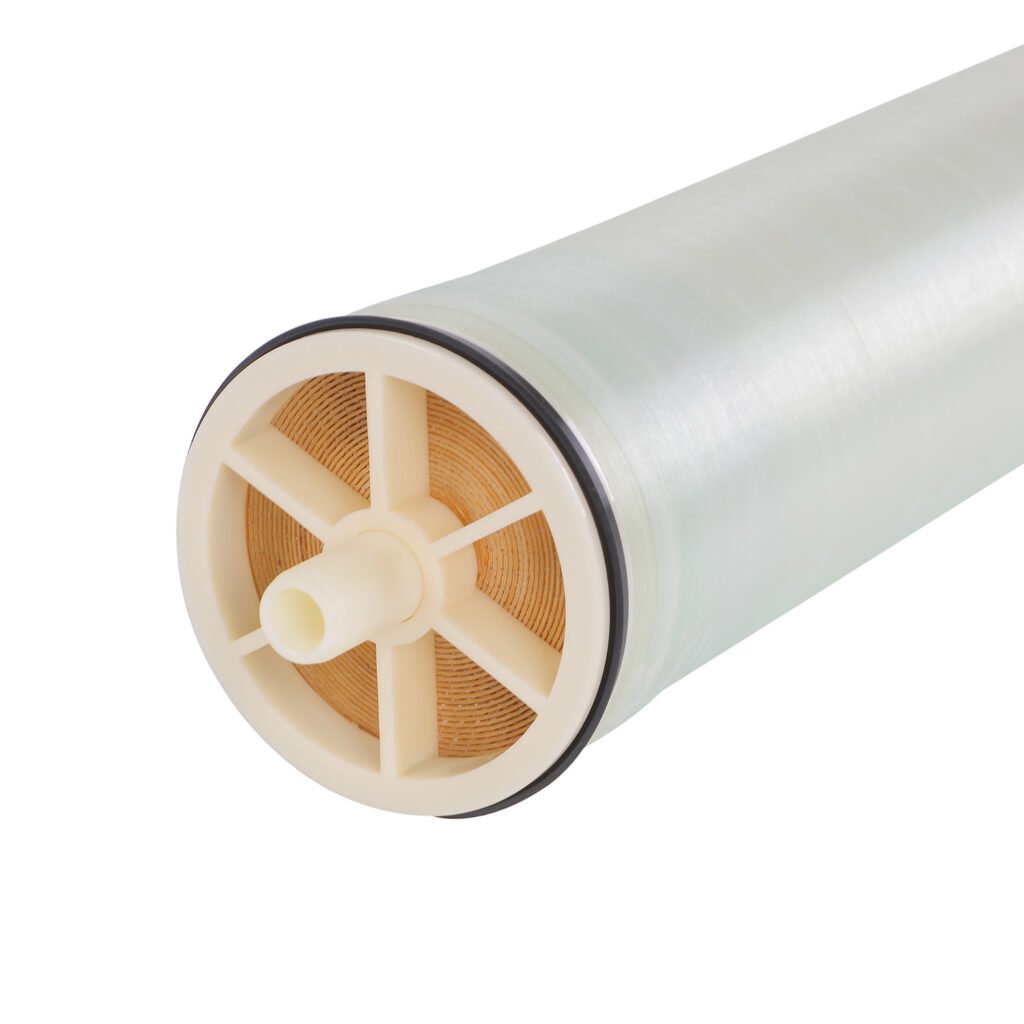

Water treatment systems are major investments for industries, and every component plays a vital role in ensuring consistent performance. Among all these components, the 4040 RO Membrane is the heart of the reverse osmosis process. It determines the quality of purified water, influences operating costs, and directly affects the efficiency of the entire RO plant.
Although modern membranes are engineered for durability, their lifespan depends largely on how they are operated and maintained. Many industries replace membranes earlier than necessary because of avoidable mistakes such as poor pretreatment, delayed cleaning, or improper system operation.
By following the right maintenance practices, businesses can extend the service life of a 4040 RO Membrane, reduce replacement costs, and maintain high water quality for years. This guide explains the practical steps that help maximize membrane performance and improve the overall reliability of industrial RO systems.
Why Membrane Lifespan Matters
Replacing an industrial membrane involves more than purchasing a new element. It often includes production downtime, labor costs, system cleaning, and reduced output during maintenance.
A longer-lasting 4040 RO Membrane provides several advantages:
- Lower replacement expenses
- Consistent water quality
- Reduced operational interruptions
- Improved equipment efficiency
- Better return on investment
- Higher overall plant productivity
Instead of viewing maintenance as an additional task, successful industries consider it part of their long-term operational strategy.
Understanding the Function of a 4040 RO Membrane
A 4040 RO Membrane is a spiral-wound filtration element that measures approximately 4 inches in diameter and 40 inches in length. It is commonly installed in commercial and industrial reverse osmosis plants to remove dissolved salts, bacteria, heavy metals, and organic contaminants.
The membrane works by allowing water molecules to pass through while rejecting impurities under pressure. Because this process occurs continuously, the membrane gradually accumulates contaminants, making regular care essential.
Start with Proper Feed Water Pretreatment
One of the biggest reasons membranes fail prematurely is poor pretreatment.
Feed water often contains:
- Sand
- Silt
- Iron
- Chlorine
- Organic matter
- Hardness
- Suspended solids
Without proper pretreatment, these contaminants reach the membrane surface and reduce filtration efficiency.
A well-designed pretreatment system usually includes sediment filters, activated carbon filters, water softeners (where required), and antiscalant dosing. These components protect the 4040 RO Membrane from unnecessary stress and significantly increase its lifespan.
Replace Pre-Filters on Schedule
Many operators focus only on the membrane while ignoring the filters that protect it.
Sediment filters trap dirt and suspended particles, while activated carbon filters remove chlorine that can permanently damage thin-film composite membranes.
Delaying filter replacement allows contaminants to reach the membrane, leading to fouling, reduced water flow, and expensive repairs.
Replacing these filters according to the manufacturer’s recommendations is one of the simplest ways to protect your investment.
Monitor Water Quality Regularly
Routine water testing helps identify changes before they affect membrane performance.
Important parameters include:
- Total Dissolved Solids (TDS)
- Feed water pressure
- Product water flow
- Recovery percentage
- pH level
- Hardness
- Iron concentration
Monitoring these values allows operators to identify potential issues early and make corrective adjustments before permanent damage occurs.
Clean the Membrane Before Performance Declines Significantly
Waiting until water production drops dramatically is a common mistake.
A 4040 RO Membrane should be cleaned when there are early signs of fouling, such as:
- Lower permeate flow
- Higher operating pressure
- Increased TDS
- Reduced salt rejection
- Pressure drop across the membrane
Timely cleaning restores membrane performance and prevents contaminants from becoming permanently attached to the membrane surface.
Avoid Chlorine Exposure
Thin-film composite membranes are highly efficient but extremely sensitive to chlorine.
If chlorine reaches the membrane:
- The membrane surface can become damaged.
- Salt rejection decreases.
- Water quality declines.
- Membrane replacement may become necessary.
Maintaining activated carbon filters and regularly checking chlorine levels helps prevent irreversible damage.
Maintain Recommended Operating Pressure
Operating pressure has a major influence on membrane life.
Pressure that is too low reduces purification efficiency, while excessive pressure places unnecessary stress on the membrane structure.
Following the pressure range recommended by the manufacturer helps maintain consistent performance and extends service life.
Prevent Long System Shutdowns
When an RO system remains idle for extended periods, bacteria and microorganisms may begin to grow inside the membrane housing.
If shutdowns are unavoidable:
- Flush the system before storage.
- Follow proper preservation procedures.
- Restart the system carefully after long idle periods.
These steps reduce biological fouling and protect membrane performance.
Train Operators on Best Practices
Even advanced equipment depends on knowledgeable operators.
Training staff to recognize early warning signs—such as pressure changes, reduced flow, or increasing TDS—can prevent small issues from becoming major failures.
A proactive maintenance culture improves system reliability and reduces operating costs.
Common Mistakes That Shorten Membrane Life
Several avoidable mistakes can reduce the lifespan of a 4040 RO Membrane:
- Ignoring feed water quality
- Delaying filter replacement
- Operating at incorrect pressure
- Skipping routine cleaning
- Using incompatible cleaning chemicals
- Purchasing low-quality replacement parts
- Failing to monitor system performance
Avoiding these mistakes significantly improves long-term membrane efficiency.
Signs That Replacement Is Necessary
Even with excellent maintenance, every membrane eventually reaches the end of its service life.
Replacement may be required when:
- Product water quality remains poor after cleaning.
- Salt rejection declines permanently.
- Water production continues to decrease.
- Operating pressure remains unusually high.
- Physical damage is visible.
Replacing the membrane at the appropriate time prevents production issues and protects other RO system components.
Benefits of Investing in Quality Membranes
Although premium membranes have a higher purchase price, they often provide better value over time.
A high-quality 4040 RO Membrane typically offers:
- Better contaminant removal
- Longer operating life
- Lower maintenance costs
- Higher water recovery
- Improved energy efficiency
- Consistent water quality
These benefits reduce the total cost of ownership and improve operational reliability.
The Future of Membrane Technology
Advancements in reverse osmosis technology continue to improve membrane performance.
Future developments include:
- Low-fouling membrane surfaces
- Energy-saving membrane designs
- Smart performance monitoring
- AI-based maintenance prediction
- Improved chemical resistance
- Higher water recovery rates
These innovations will help industries achieve even greater efficiency while supporting sustainable water management.
Conclusion
A 4040 RO Membrane is a long-term investment that deserves proper care. By focusing on pretreatment, routine inspections, timely cleaning, and correct operating practices, industries can significantly extend membrane lifespan while maintaining excellent water quality.
Regular maintenance not only protects the membrane but also improves the efficiency of the entire RO plant. Businesses that adopt preventive maintenance strategies enjoy lower operating costs, fewer breakdowns, higher productivity, and greater confidence in their water treatment systems.
Whether you operate a manufacturing facility, pharmaceutical plant, food processing unit, or commercial RO system, protecting your
Water treatment systems are major investments for industries, and every component plays a vital role in ensuring consistent performance. Among all these components, the 4040 RO Membrane is the heart of the reverse osmosis process. It determines the quality of purified water, influences operating costs, and directly affects the efficiency of the entire RO plant.
Although modern membranes are engineered for durability, their lifespan depends largely on how they are operated and maintained. Many industries replace membranes earlier than necessary because of avoidable mistakes such as poor pretreatment, delayed cleaning, or improper system operation.
By following the right maintenance practices, businesses can extend the service life of a 4040 RO Membrane, reduce replacement costs, and maintain high water quality for years. This guide explains the practical steps that help maximize membrane performance and improve the overall reliability of industrial RO systems.
Why Membrane Lifespan Matters
Replacing an industrial membrane involves more than purchasing a new element. It often includes production downtime, labor costs, system cleaning, and reduced output during maintenance.
A longer-lasting 4040 RO Membrane provides several advantages:
- Lower replacement expenses
- Consistent water quality
- Reduced operational interruptions
- Improved equipment efficiency
- Better return on investment
- Higher overall plant productivity
Instead of viewing maintenance as an additional task, successful industries consider it part of their long-term operational strategy.
Understanding the Function of a 4040 RO Membrane
A 4040 RO Membrane is a spiral-wound filtration element that measures approximately 4 inches in diameter and 40 inches in length. It is commonly installed in commercial and industrial reverse osmosis plants to remove dissolved salts, bacteria, heavy metals, and organic contaminants.
The membrane works by allowing water molecules to pass through while rejecting impurities under pressure. Because this process occurs continuously, the membrane gradually accumulates contaminants, making regular care essential.
Start with Proper Feed Water Pretreatment
One of the biggest reasons membranes fail prematurely is poor pretreatment.
Feed water often contains:
- Sand
- Silt
- Iron
- Chlorine
- Organic matter
- Hardness
- Suspended solids
Without proper pretreatment, these contaminants reach the membrane surface and reduce filtration efficiency.
A well-designed pretreatment system usually includes sediment filters, activated carbon filters, water softeners (where required), and antiscalant dosing. These components protect the 4040 RO Membrane from unnecessary stress and significantly increase its lifespan.
Replace Pre-Filters on Schedule
Many operators focus only on the membrane while ignoring the filters that protect it.
Sediment filters trap dirt and suspended particles, while activated carbon filters remove chlorine that can permanently damage thin-film composite membranes.
Delaying filter replacement allows contaminants to reach the membrane, leading to fouling, reduced water flow, and expensive repairs.
Replacing these filters according to the manufacturer’s recommendations is one of the simplest ways to protect your investment.
Monitor Water Quality Regularly
Routine water testing helps identify changes before they affect membrane performance.
Important parameters include:
- Total Dissolved Solids (TDS)
- Feed water pressure
- Product water flow
- Recovery percentage
- pH level
- Hardness
- Iron concentration
Monitoring these values allows operators to identify potential issues early and make corrective adjustments before permanent damage occurs.
Clean the Membrane Before Performance Declines Significantly
Waiting until water production drops dramatically is a common mistake.
A 4040 RO Membrane should be cleaned when there are early signs of fouling, such as:
- Lower permeate flow
- Higher operating pressure
- Increased TDS
- Reduced salt rejection
- Pressure drop across the membrane
Timely cleaning restores membrane performance and prevents contaminants from becoming permanently attached to the membrane surface.
Avoid Chlorine Exposure
Thin-film composite membranes are highly efficient but extremely sensitive to chlorine.
If chlorine reaches the membrane:
- The membrane surface can become damaged.
- Salt rejection decreases.
- Water quality declines.
- Membrane replacement may become necessary.
Maintaining activated carbon filters and regularly checking chlorine levels helps prevent irreversible damage.
Maintain Recommended Operating Pressure
Operating pressure has a major influence on membrane life.
Pressure that is too low reduces purification efficiency, while excessive pressure places unnecessary stress on the membrane structure.
Following the pressure range recommended by the manufacturer helps maintain consistent performance and extends service life.
Prevent Long System Shutdowns
When an RO system remains idle for extended periods, bacteria and microorganisms may begin to grow inside the membrane housing.
If shutdowns are unavoidable:
- Flush the system before storage.
- Follow proper preservation procedures.
- Restart the system carefully after long idle periods.
These steps reduce biological fouling and protect membrane performance.
Train Operators on Best Practices
Even advanced equipment depends on knowledgeable operators.
Training staff to recognize early warning signs—such as pressure changes, reduced flow, or increasing TDS—can prevent small issues from becoming major failures.
A proactive maintenance culture improves system reliability and reduces operating costs.
Common Mistakes That Shorten Membrane Life
Several avoidable mistakes can reduce the lifespan of a 4040 RO Membrane:
- Ignoring feed water quality
- Delaying filter replacement
- Operating at incorrect pressure
- Skipping routine cleaning
- Using incompatible cleaning chemicals
- Purchasing low-quality replacement parts
- Failing to monitor system performance
Avoiding these mistakes significantly improves long-term membrane efficiency.
Signs That Replacement Is Necessary
Even with excellent maintenance, every membrane eventually reaches the end of its service life.
Replacement may be required when:
- Product water quality remains poor after cleaning.
- Salt rejection declines permanently.
- Water production continues to decrease.
- Operating pressure remains unusually high.
- Physical damage is visible.
Replacing the membrane at the appropriate time prevents production issues and protects other RO system components.
Benefits of Investing in Quality Membranes
Although premium membranes have a higher purchase price, they often provide better value over time.
A high-quality 4040 RO Membrane typically offers:
- Better contaminant removal
- Longer operating life
- Lower maintenance costs
- Higher water recovery
- Improved energy efficiency
- Consistent water quality
These benefits reduce the total cost of ownership and improve operational reliability.
The Future of Membrane Technology
Advancements in reverse osmosis technology continue to improve membrane performance.
Future developments include:
- Low-fouling membrane surfaces
- Energy-saving membrane designs
- Smart performance monitoring
- AI-based maintenance prediction
- Improved chemical resistance
- Higher water recovery rates
These innovations will help industries achieve even greater efficiency while supporting sustainable water management.
Conclusion
A 4040 RO Membrane is a long-term investment that deserves proper care. By focusing on pretreatment, routine inspections, timely cleaning, and correct operating practices, industries can significantly extend membrane lifespan while maintaining excellent water quality.
Regular maintenance not only protects the membrane but also improves the efficiency of the entire RO plant. Businesses that adopt preventive maintenance strategies enjoy lower operating costs, fewer breakdowns, higher productivity, and greater confidence in their water treatment systems.
Whether you operate a manufacturing facility, pharmaceutical plant, food processing unit, or commercial RO system, protecting your 4040 RO Membrane is one of the smartest decisions you can make for long-term operational success.
Frequently Asked Questions
1. How long can a 4040 RO Membrane last with proper maintenance?
A well-maintained 4040 RO Membrane typically lasts 2–5 years, depending on feed water quality, operating conditions, and maintenance practices.
2. What is the biggest reason for premature membrane failure?
Poor pretreatment and delayed maintenance are among the most common causes of early membrane damage.
3. Why should chlorine be removed before water reaches the membrane?
Chlorine can permanently damage thin-film composite membranes, reducing filtration efficiency and shortening membrane lifespan.
4. How often should membrane performance be monitored?
Operators should monitor pressure, flow rate, TDS, and recovery regularly—ideally daily for industrial RO plants.
5. Is preventive maintenance more cost-effective than replacing membranes frequently?
Yes. Preventive maintenance reduces replacement costs, minimizes downtime, improves water quality, and increases the overall lifespan of the RO system.
is one of the smartest decisions you can make for long-term operational success.
Frequently Asked Questions
1. How long can a 4040 RO Membrane last with proper maintenance?
A well-maintained 4040 RO Membrane typically lasts 2–5 years, depending on feed water quality, operating conditions, and maintenance practices.
2. What is the biggest reason for premature membrane failure?
Poor pretreatment and delayed maintenance are among the most common causes of early membrane damage.
3. Why should chlorine be removed before water reaches the membrane?
Chlorine can permanently damage thin-film composite membranes, reducing filtration efficiency and shortening membrane lifespan.
4. How often should membrane performance be monitored?
Operators should monitor pressure, flow rate, TDS, and recovery regularly—ideally daily for industrial RO plants.
5. Is preventive maintenance more cost-effective than replacing membranes frequently?
Yes. Preventive maintenance reduces replacement costs, minimizes downtime, improves water quality, and increases the overall lifespan of the RO system.